

Miseify Prep

Built-in POS marketing tools often fail independent restaurants because they require manual labor, consistent monitoring, and specialized expertise that busy owners simply do not have. While software provides the technical infrastructure, it lacks the human execution necessary to turn raw customer data into recurring revenue and loyal guests.

Why are built-in POS marketing tools not enough?

If you use Toast, Square, or Clover, you have likely seen the marketing modules they offer. These tools are designed to be sold as "all-in-one" solutions, promising that you can handle loyalty programs, email marketing, and SMS outreach all from one dashboard. However, for most independent restaurant owners, these tools become "shelfware"—software that you pay for every month but never actually use to its full potential.

The primary reason these POS marketing tools fall short is the lack of human bandwidth. A software platform is only as good as the person operating it. To run a successful customer reactivation campaign, someone has to segment the guest list, draft the copy, choose the right offer, and schedule the delivery. In a busy restaurant, that "someone" is usually the owner or a manager who is already overworked with floor shifts, inventory, and staffing issues.

Furthermore, these tools are often rigid. They are built to serve a million different businesses, which means they lack the nuanced touch required for high-stakes customer engagement. When a guest leaves a negative review or asks a specific question via a contact form, an automated template from a POS system often feels cold and impersonal, potentially doing more harm to the brand than good.

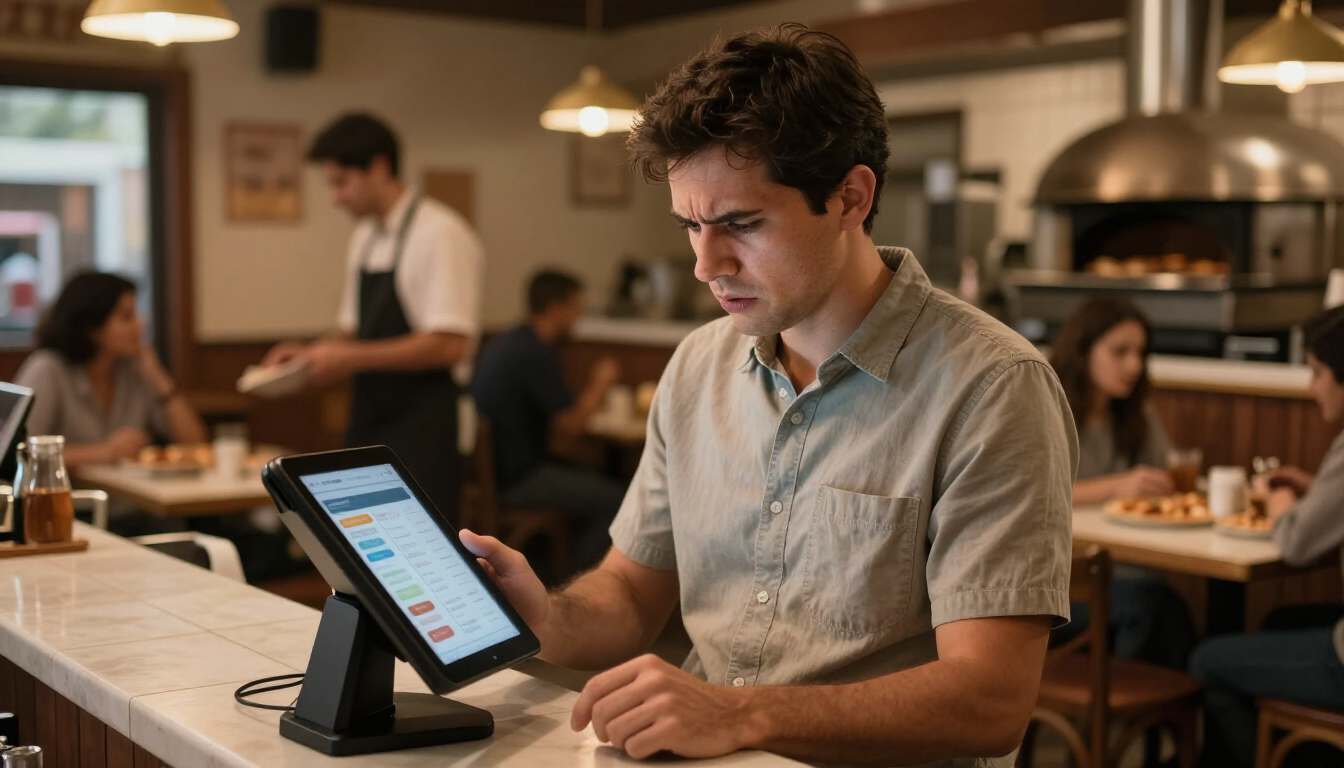
Restaurant owner looking at tablet

The hidden labor costs of restaurant software

Many vendors pitch their marketing suites as a way to save time, but the reality is the exact opposite. Every new feature added to your POS system is another item on your to-do list. If you want to use the customer reactivation features in Square or the email marketing tools in Toast, you effectively have to become a part-time digital marketer.

Consider the time required to manage these tools effectively:

  • Analyzing guest purchase data to identify "lost" customers.
  • Crafting 3-4 different versions of an SMS message for A/B testing.
  • Monitoring the performance of loyalty rewards to ensure they aren't eating into margins.
  • Updating the marketing calendar to align with seasonal menu changes.
  • Training staff on how to properly input guest data at the point of sale.

When you add up these hours, the "affordable" monthly add-on fee for your POS marketing tools suddenly becomes very expensive in terms of labor. Most independent operators find that they either ignore the tools entirely or use them so inconsistently that they never see a return on investment. This is where looking at The Math becomes crucial for understanding the true cost of your current setup.

Is your customer data trapped in your POS system?

One of the most significant risks of relying solely on POS marketing tools is vendor lock-in. When your loyalty program, email list, and guest history are all housed within a single software provider, you are essentially tethered to that company. If they raise their processing rates or their hardware becomes outdated, moving to a new system becomes a logistical nightmare because your customer relationships are tied to their database.

Independent restaurants need a system where their data is portable and their marketing strategy is platform-agnostic. By using a done-for-you service like Miseify, you ensure that your customer engagement efforts continue regardless of which tablet is sitting on your counter. We focus on the relationship with the guest, not the software they used to pay for their meal. This independence is a core part of our philosophy, which you can learn more about on our About page.

When your marketing is handled externally, you also gain the benefit of specialized expertise. A POS company is a software company; their primary goal is processing transactions. A dedicated marketing and support service is focused on one thing: getting people back into your seats. These are two very different skill sets, and the latter is what drives actual growth.

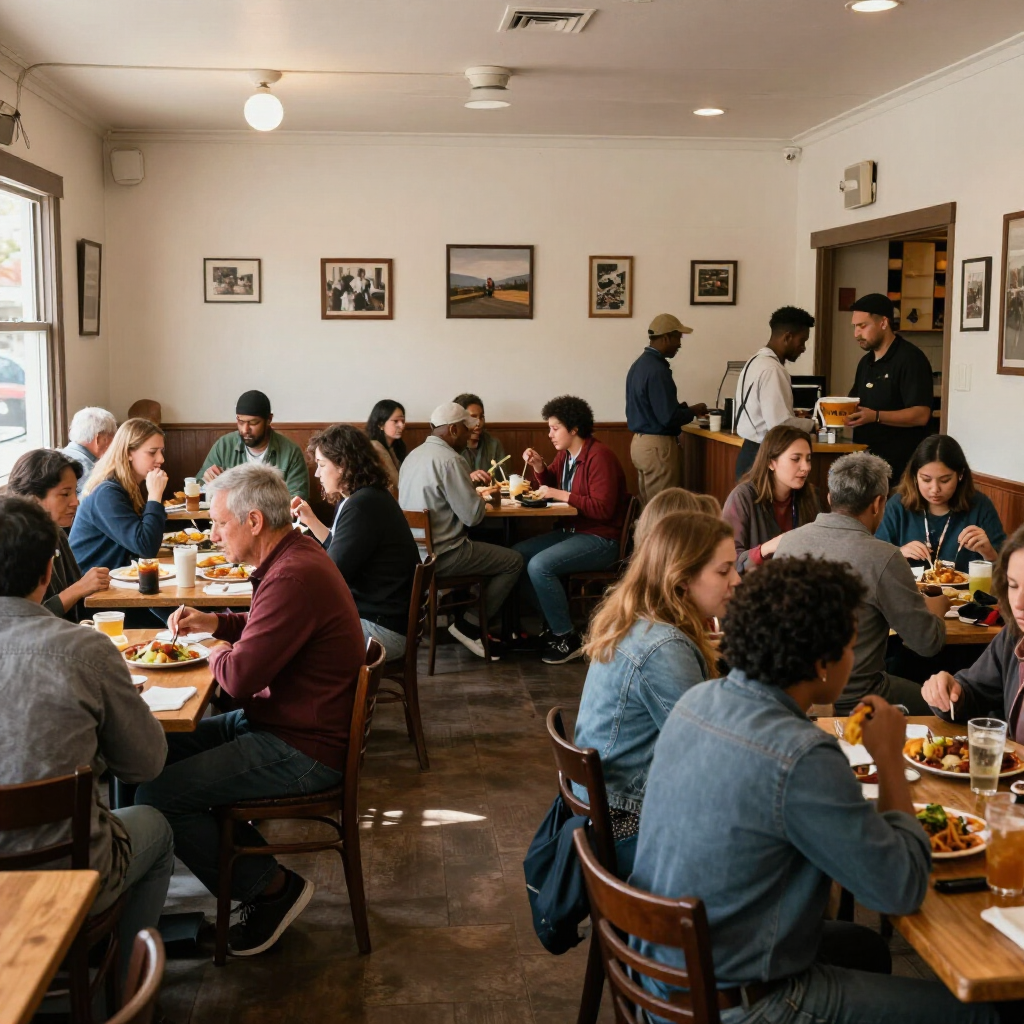
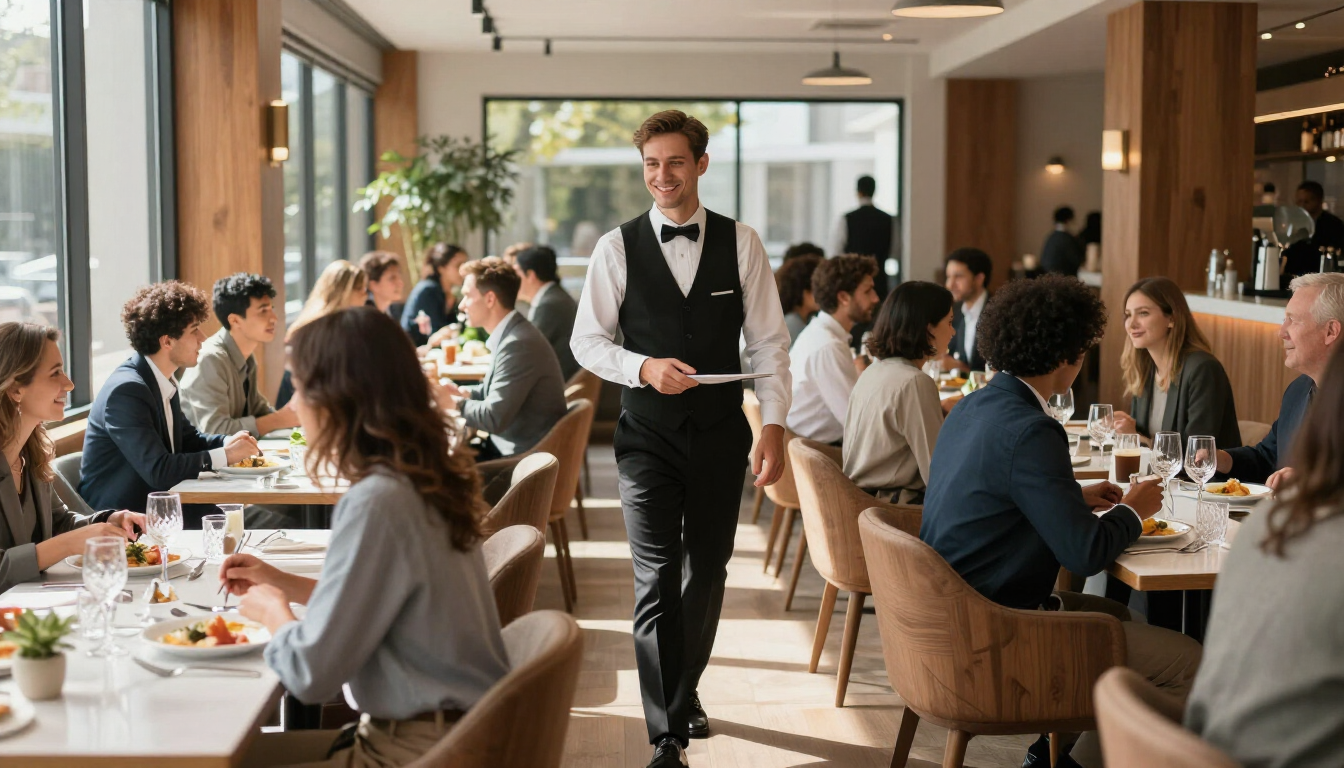
Happy diners in a modern restaurant

Why automation alone kills customer relationships

Automation is a buzzword that promises efficiency, but in the hospitality industry, it can be a double-edged sword. When a customer receives an obviously automated "We Miss You" email from a POS system every time they don't visit for 30 days, it starts to feel like spam. The personal connection that makes independent restaurants special is lost in a sea of generic templates.

True customer engagement requires a human touch. This means:

  • Responding to reviews with specific details mentioned by the guest.
  • Tailoring reactivation offers based on actual past preferences.
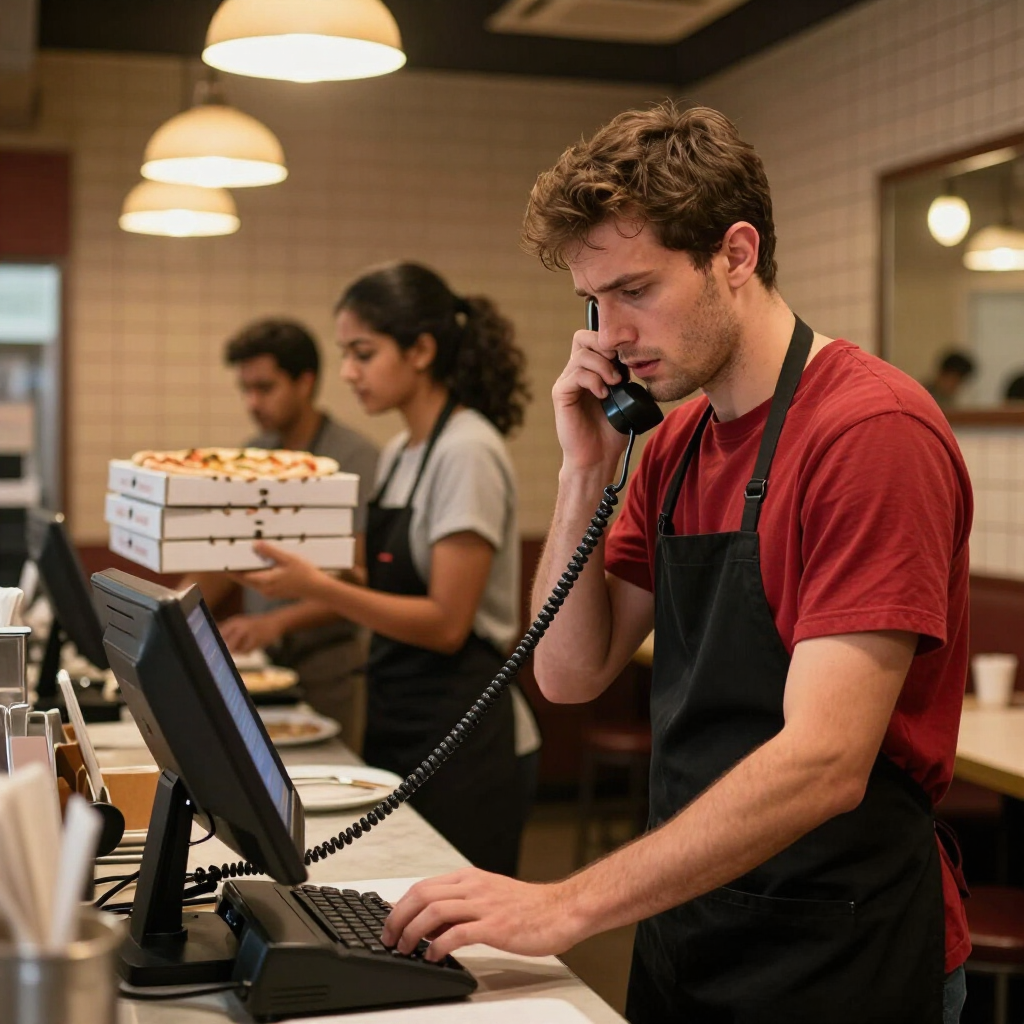
  • Answering phone calls 24/7 so a potential guest never hits a voicemail.
  • Providing a consistent voice across all digital platforms.
  • Adapting strategies based on real-time feedback from the kitchen or floor.

Our Services are designed to bridge the gap between software and the guest. We don't just set an automation and walk away; we actively monitor and manage the interactions that happen outside the four walls of your restaurant. This ensures that every digital touchpoint feels as welcoming as a host at the front door.

How does manual review monitoring improve loyalty?

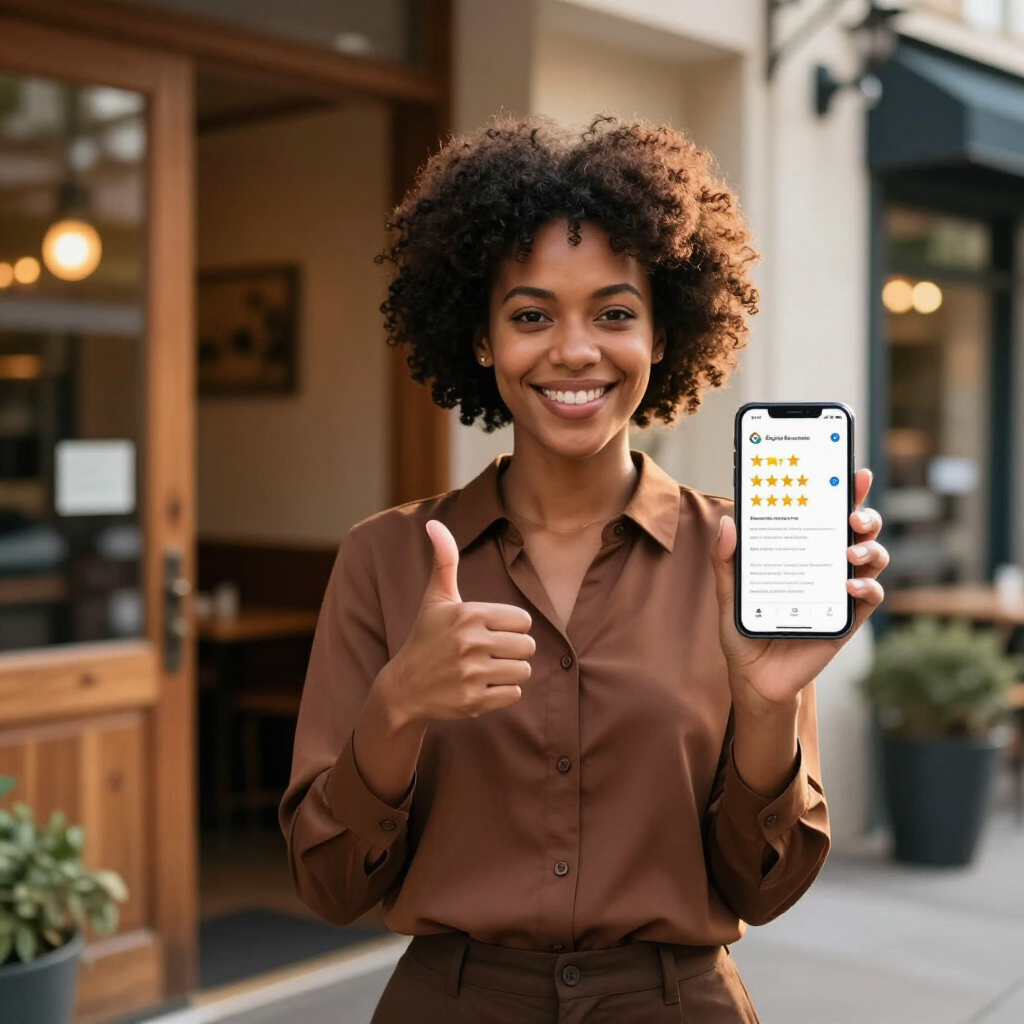
Online reviews are the modern-day word of mouth, yet many POS marketing tools offer little more than a notification when a new review is posted. Simply knowing a review exists isn't enough; you need to respond to it quickly and professionally. Most restaurant owners are too busy during peak hours to respond to a Yelp or Google review within the critical 24-hour window.

By having a dedicated team monitor and respond to reviews, you turn a passive feedback loop into an active marketing channel. When potential guests see a restaurant owner (or their representative) engaging thoughtfully with feedback—both positive and negative—it builds a level of trust that no automated POS tool can replicate. This proactive approach to reputation management is a key pillar of modern restaurant customer engagement .

Furthermore, review monitoring provides valuable data that can be used to improve operations. If multiple guests mention that the music is too loud or a specific dish is consistently salty, that information needs to be filtered and presented to the owner in a way that is actionable. A POS system might track that the dish was sold, but it won't tell you why people are complaining about it online.

Scaling your restaurant without adding staff

The biggest challenge for any growing restaurant is the overhead associated with hiring. To manage marketing, phones, and reviews in-house, you would typically need to hire a full-time office manager or a marketing coordinator. Between salary, benefits, and management time, this is an expense most independent operators cannot justify.

Miseify offers a "done-for-you" alternative that provides the benefits of a full-time marketing and support staff at a fraction of the cost. We act as an extension of your team, handling the heavy lifting of customer reactivation and communication so you can focus on the food and the guest experience. This model allows you to scale your outreach and improve your guest retention without the headaches of traditional hiring.

If you are tired of paying for POS marketing tools that you don't use, it might be time for a change. We invite you to Let's Talk about how we can take these tasks off your plate and start driving real results for your business.

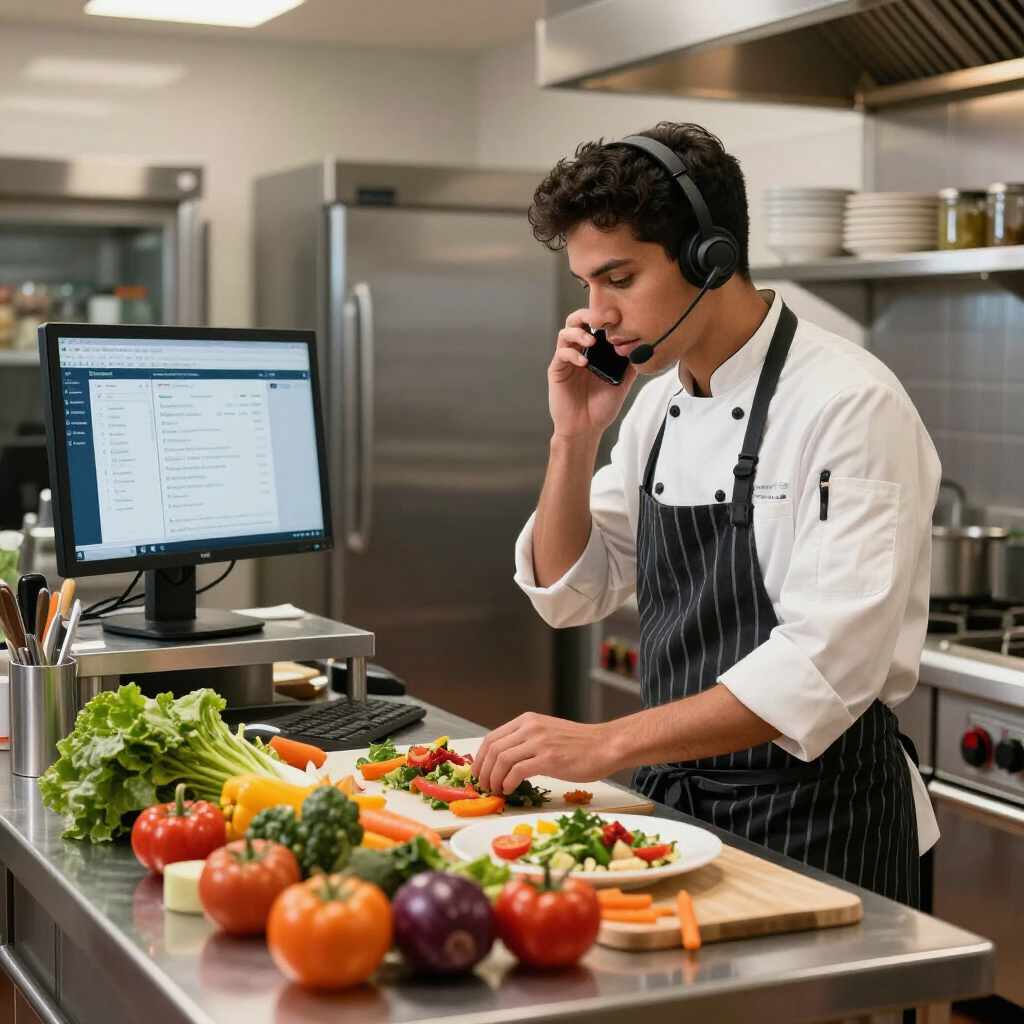
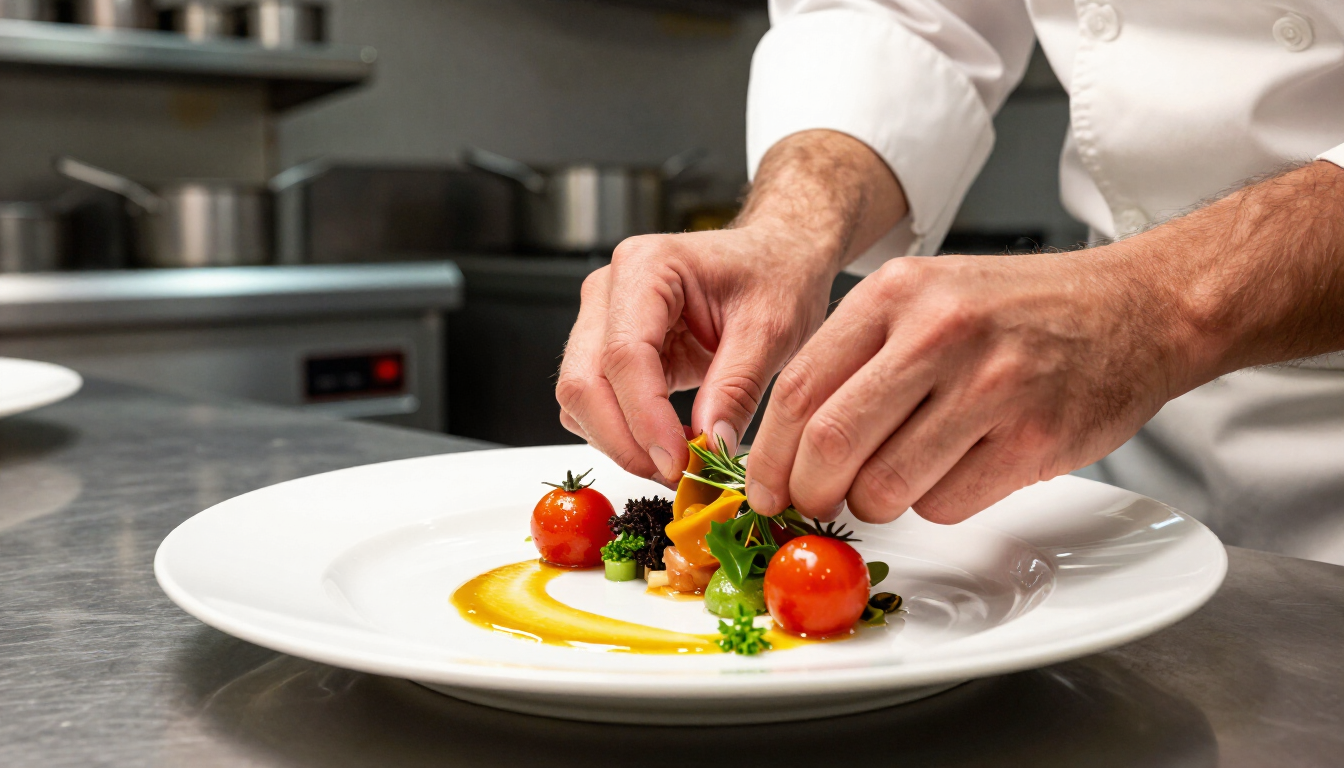
Chef plating a dish

Summary of Key Takeaways

To maximize your restaurant's growth, you must look beyond the basic features of your point-of-sale system. While these tools offer a starting point, they are not a substitute for a dedicated marketing and support strategy.

  • Human Touch: Software cannot replace the personal connection required for effective guest reactivation.
  • Labor Efficiency: Using built-in tools manually consumes valuable time that owners should spend on operations.
  • Data Independence: Keeping your marketing platform-agnostic prevents vendor lock-in.
  • Reputation Management: Professional, timely review responses are essential for building trust and loyalty.
  • Cost-Effective Scaling: A done-for-you service provides expert support without the overhead of a full-time hire.

By moving away from the "all-in-one" POS trap, independent restaurants can reclaim their time and build stronger, more profitable relationships with their customers.

Recent Posts