There is a moment in every busy service when you look up and realize you have been running for two hours straight. The food is going out. The tables are turning. Your team is moving. By most measures, the night is going well.
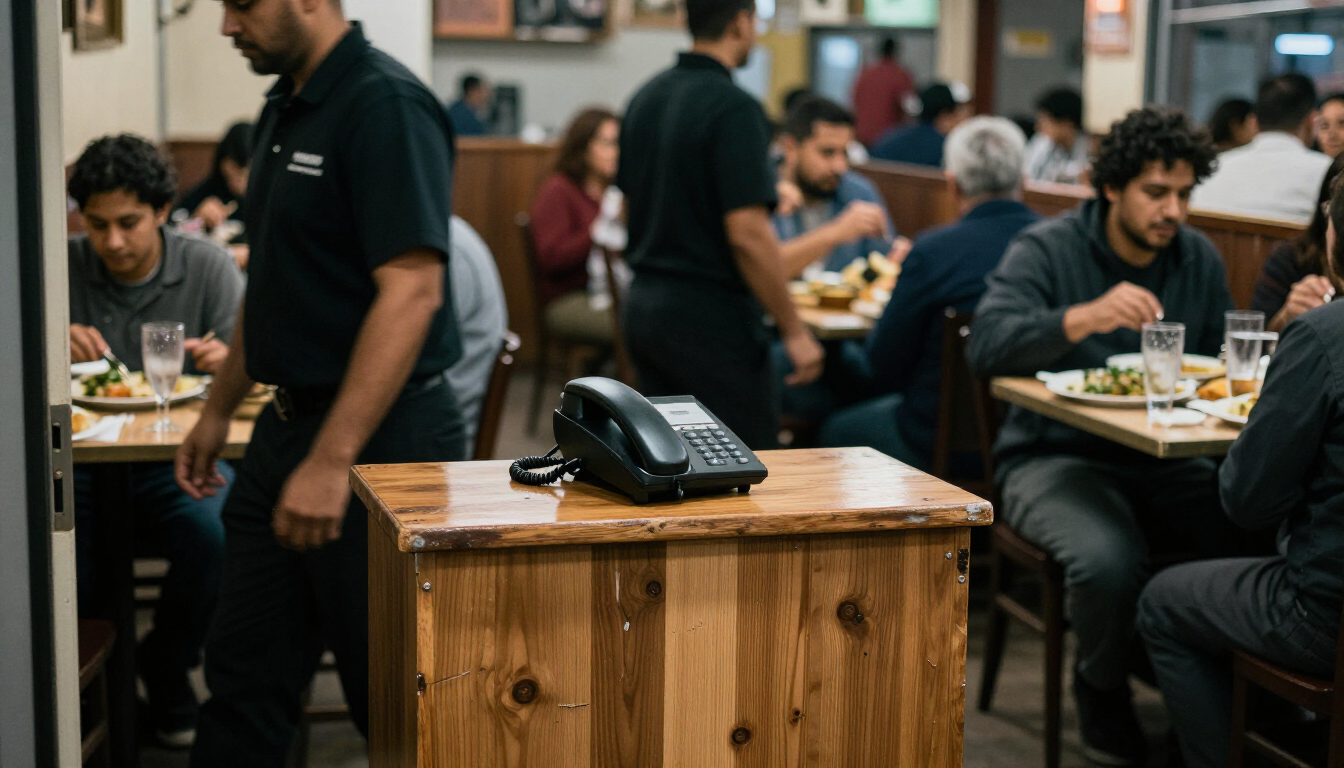
But somewhere in that same two hours, the phone rang and nobody got to it. A review came in and sat unanswered. A guest who had a question never heard back. None of it felt urgent in the moment. There was real work in front of you, and you handled it.
That is not a failure. That is just what a full dining room looks like from the inside.
The problem is not the rush. The problem is that the rush is also when people on the outside are trying hardest to reach you, and the two things almost never line up the way you need them to.
What goes first when service gets busy
Most independent restaurant owners could name the moments without much thought. The phone is usually first.
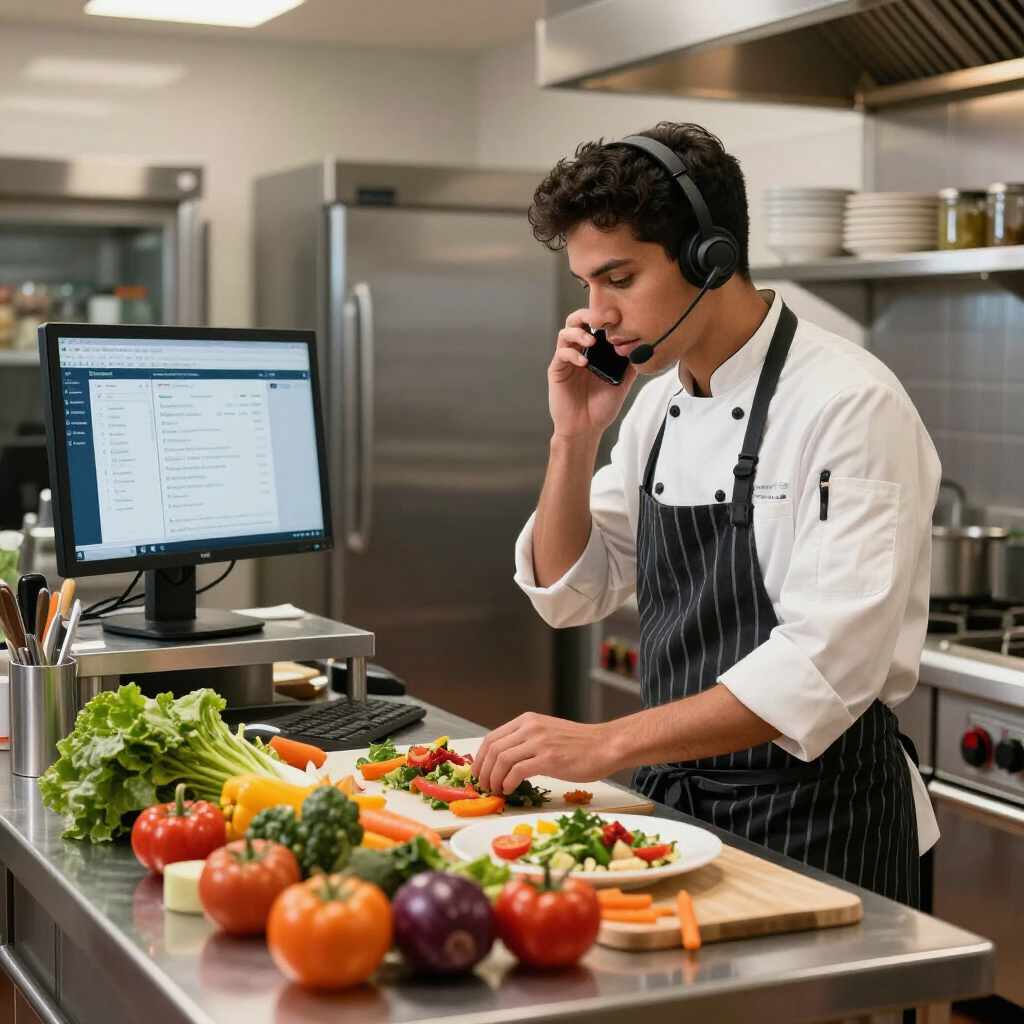
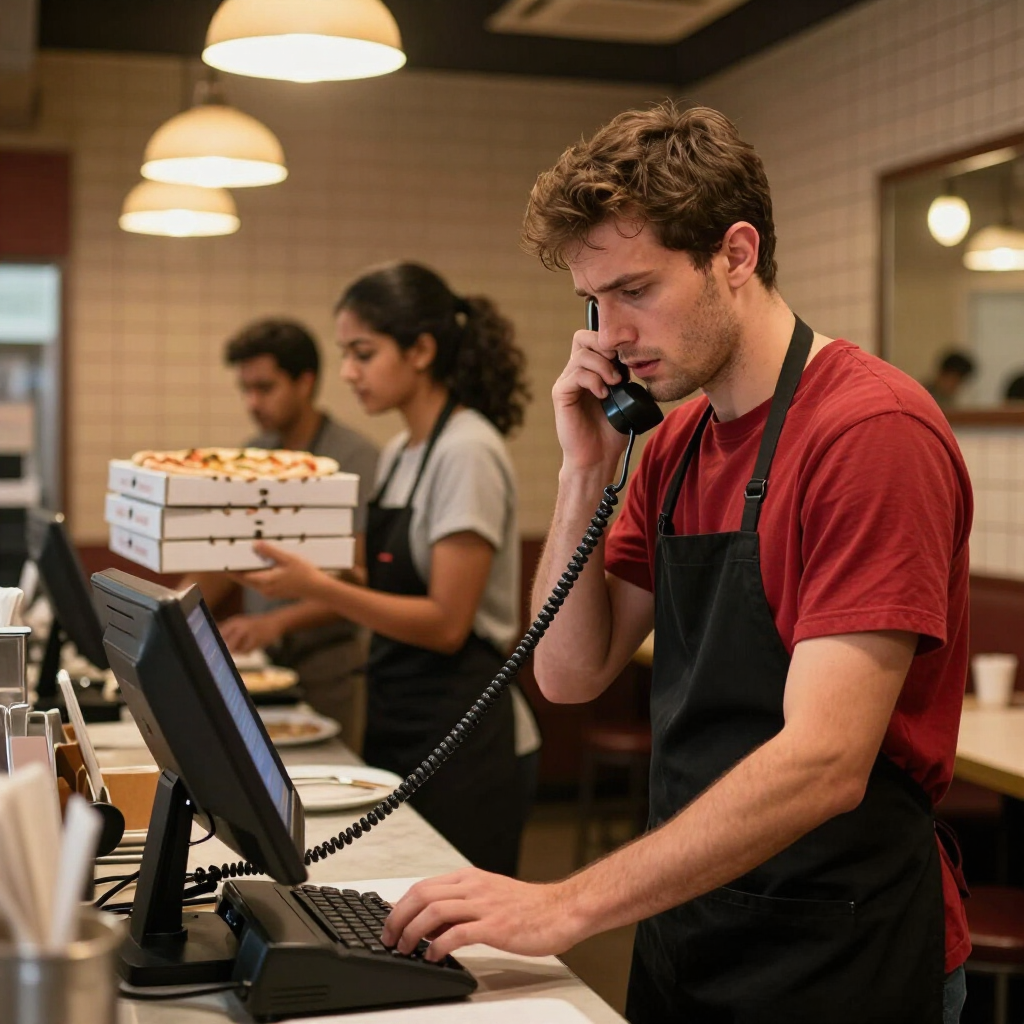
During the dinner window, between 5 and 8 PM, the average restaurant misses about 32 percent of all incoming calls. That is not because owners do not care about the phone. It is because the same hour that fills every seat is also the hour when every person in the building is already spoken for.
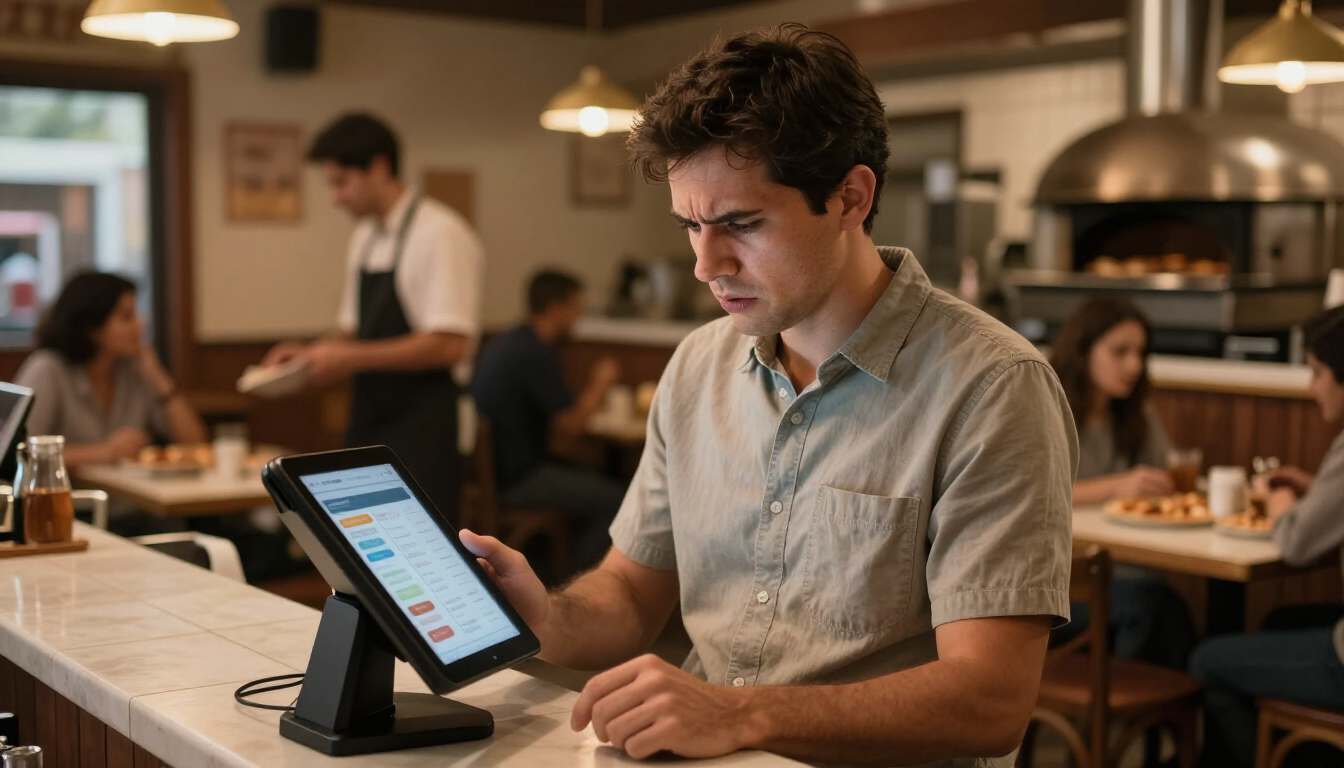
After the phone, it is the inbox. The inquiry that came in through Google. The message someone sent on a slow afternoon asking about a private event. The customer who had an issue last Tuesday and left a review Thursday that nobody has seen yet. These things do not disappear because service is busy. They just wait, and the longer they wait, the harder they become to recover.
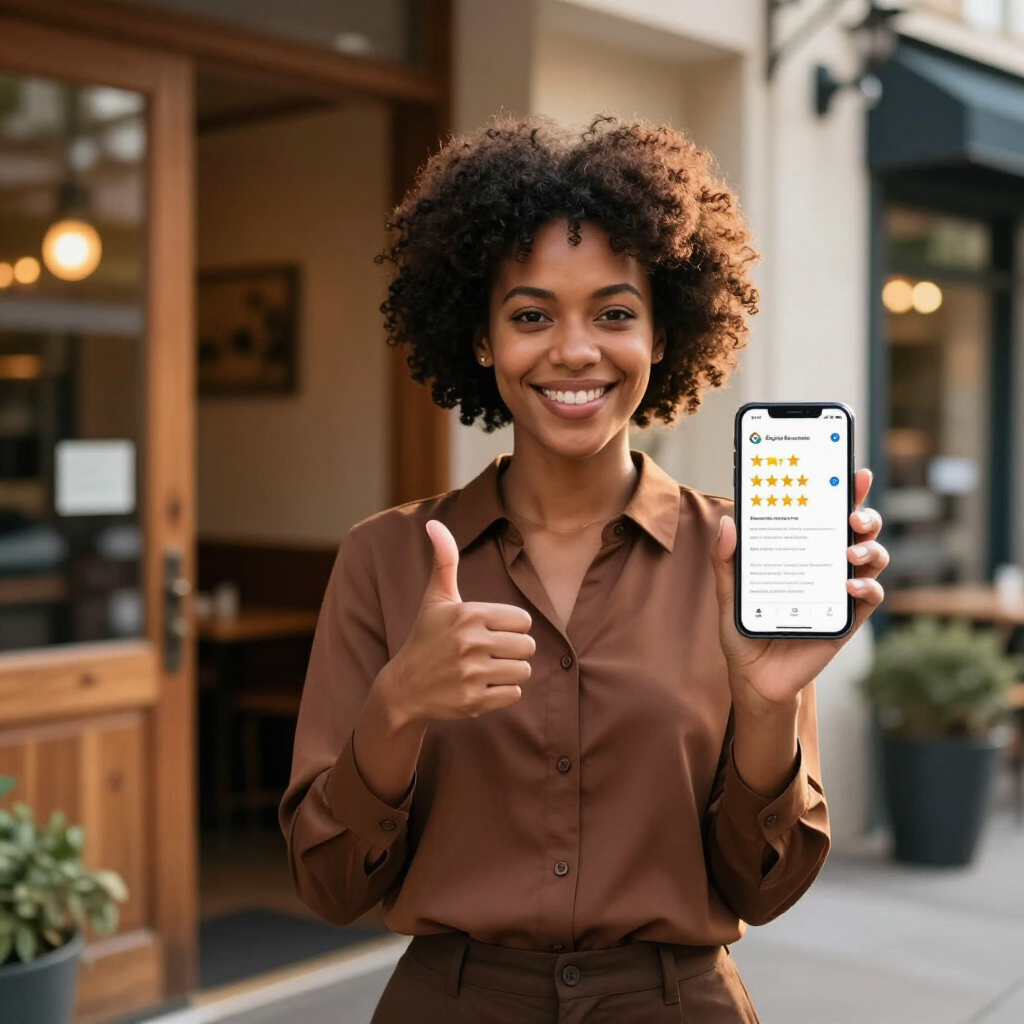
Review notifications are easy to dismiss in the moment. You will get to it later. But 94 percent of diners read reviews before choosing where to eat, and independent restaurants leave the majority of those reviews unanswered. The reviews that do not get a response are still out there, doing quiet work on every potential guest who reads them before deciding where to go tonight.
The follow-up is the last thing on the list. Someone came in, had a good experience, and would probably come back if someone reached out. But nobody did, because during the rush there was no time, and after the rush there was cleanup and close and the next shift to think about.
None of these feel like decisions. They feel like things that just did not happen.
Why it does not feel like a problem until it is
The tricky part about these misses is that they are invisible in real time. A missed call does not show up as a line item on your end-of-night numbers. An unanswered review does not reduce your cover count. A guest who did not hear back just quietly stops coming in, and you have no record of why.
Research consistently shows that the majority of people who call a restaurant and do not get an answer will not try again. They do not leave a voicemail. They do not send a follow-up message. They move on, and you never find out they called.
Across the industry, unanswered calls alone are estimated to cost restaurants $20 billion a year. That number is large enough to feel like someone else's problem. But it is built out of individual restaurants, individual rushes, and individual moments where the phone rang and nobody could get to it.
The pattern hiding in plain sight
This is the part that most owners recognize as soon as they hear it: it is almost never a random bad night. It is the same window, every week.
Friday at 6:45. Saturday between 7 and 9. Lunch on a Thursday when you are short a person and the board is full. The times that bury you are predictable. The gaps that open up during those times are predictable too.
That predictability matters because it means this is not a staffing mystery or a bad-luck problem. It is a structural gap that shows up on the same days, in the same hours, in the same ways. The phone rings when the floor is at capacity. The inbox goes quiet when nobody has hands free to check it. Reviews land on Sunday morning when the owner is finally sleeping.
Knowing the pattern exists is the first real step toward doing something about it. Most restaurants are running hard enough that they never get the breathing room to step back and notice it.
Why catching up later almost never works
After a big service, the plan is usually to circle back. Check the missed calls. Read the reviews. Follow up with the guest who had a problem. But by the time close is done and the numbers are counted and the last person leaves, the window has already passed.
The caller who did not get an answer at 7 PM made a reservation somewhere else by 7:15. The review that came in at 8 has already been read by the next dozen people who searched for a place to eat. The guest who was thinking about booking a party next month has probably moved on by now.
Speed matters more in these moments than most restaurant owners realize, not because guests are impatient, but because the alternatives are a tap away. When someone is deciding where to go and nobody picks up, the next restaurant on the list gets the reservation. It is not personal. It is just how people make decisions when they are hungry and the clock is moving.
What being genuinely covered during a rush actually looks like
Being covered during a rush does not mean having an extra person standing at the host stand watching the phone. That is not a realistic solution for a restaurant running lean.
What it looks like is having something in place so that the things that tend to fall through during service are still getting handled while you are focused on the floor. Missed calls get a response. Reviews get flagged and answered within a reasonable window. Inquiries that come in during a Friday dinner do not sit until Monday morning.
The goal is not to eliminate the rush. The rush is the job, and a full house is a good night. The goal is to make sure that the guest-side work that happens around the rush does not go invisible just because service is moving.
A more realistic way to think about your busiest hours
The owners who handle this best are not working harder than everyone else. They have just gotten honest about which hours are impossible to manage guest communication on top of service, and they have stopped pretending those hours are going to get easier.
If Friday at 7 is when things start slipping at your place, that is not a personal failing. That is just what Friday at 7 looks like in a restaurant doing its job. The question is not how to do more during that window. The question is what you have in place to make sure the things that fall through during that window still get handled.
Most independent restaurants do not have a great answer to that yet. That is not a knock on how they are run. It is just a gap that opened up gradually, in the same hour, every week, until it became normal.
The good news is that a gap with a predictable pattern is a gap you can actually do something about.
If you want to look more closely at what falls through when the phone gets missed,
Why
Missed Calls Are a Restaurant Revenue Leak breaks that down in detail. And
The
Customer Side of Mise en Place maps the full picture of what tends to slip and why it is worth addressing as a system rather than one problem at a time.
If the busiest part of your week is also the part where guest communication falls through most, that is exactly the gap Miseify is built for.
Schedule a quick call to talk through what that looks like for your restaurant.



 Ask Claude About Miseify