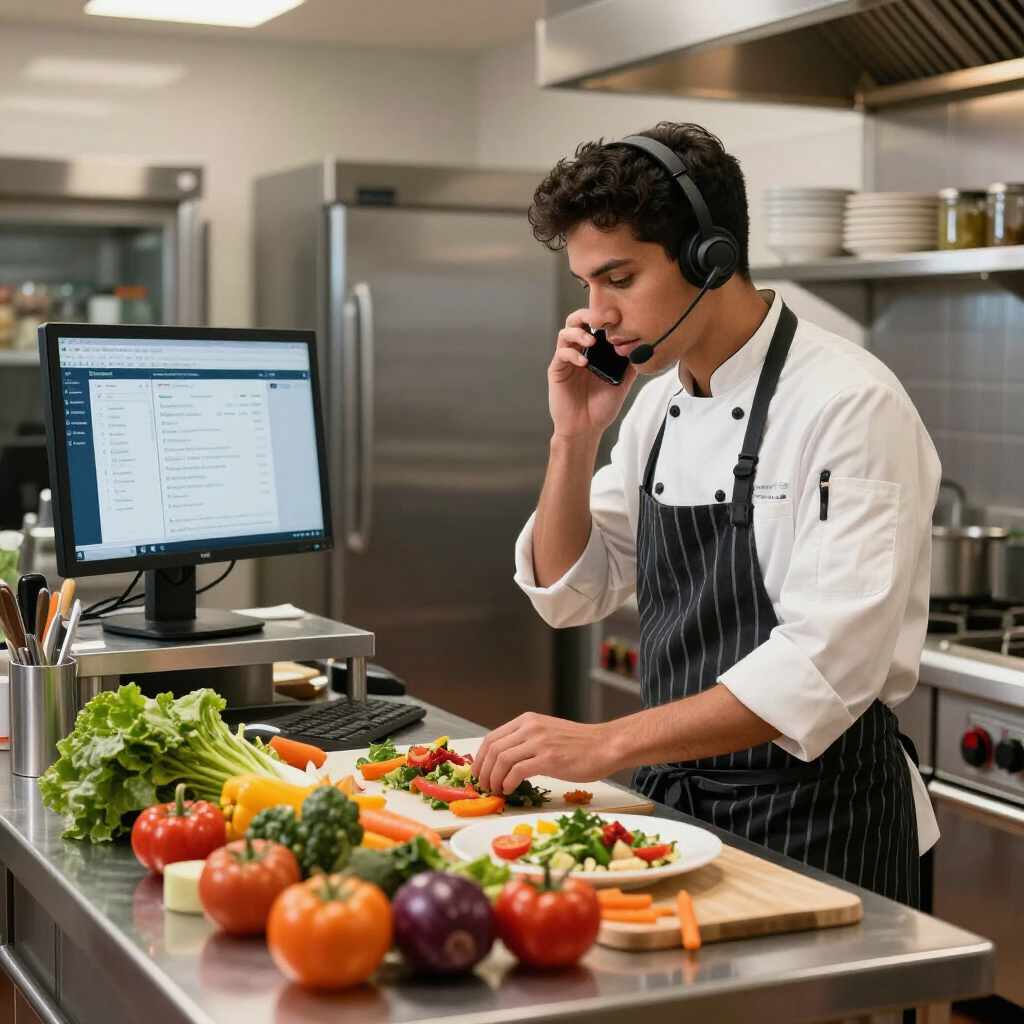
Walk into a kitchen an hour before service and you can read the whole shift in about thirty seconds.
The stations that are ready have a stillness to them. Everything is in its place. Proteins portioned. Sauces tightened. Labels facing out. Tools within reach. The cook at that station is not searching for anything. They are already thinking two steps ahead.
The stations that are not ready have a different energy. Something is always missing. The shift starts in catch-up mode and usually stays there.
That gap is what mise en place is really about.
Most people translate it as "everything in its place." But anyone who has worked a real rush knows it means something more specific: the thinking got done before the pressure hit. When service starts, there is nothing left to figure out. There is only work.
That same logic applies directly to the guest-facing side of a restaurant. Most restaurants just have not applied it there yet.
What Does Mise En Place Mean?
Mise en place is a French culinary phrase meaning "everything in its place" or "putting in place." In the kitchen, it refers to organizing ingredients, tools, and equipment before cooking begins.
But it is also a mindset.
It is the difference between scrambling and moving with confidence. Between reacting to every problem and having the station ready before the first ticket prints. That is why mise en place has stayed so central to how serious restaurants operate. It gives a name to something every kitchen depends on: readiness before the pressure arrives.
And that readiness matters far beyond the line.
The Guest Side Does Not Have a Station
In the kitchen, being unprepared is immediately visible.
Tickets back up. Food slows. The pass gets loud. The whole team feels it.
On the customer side, the cost of being unprepared is quieter. That is part of what makes it easy to overlook.
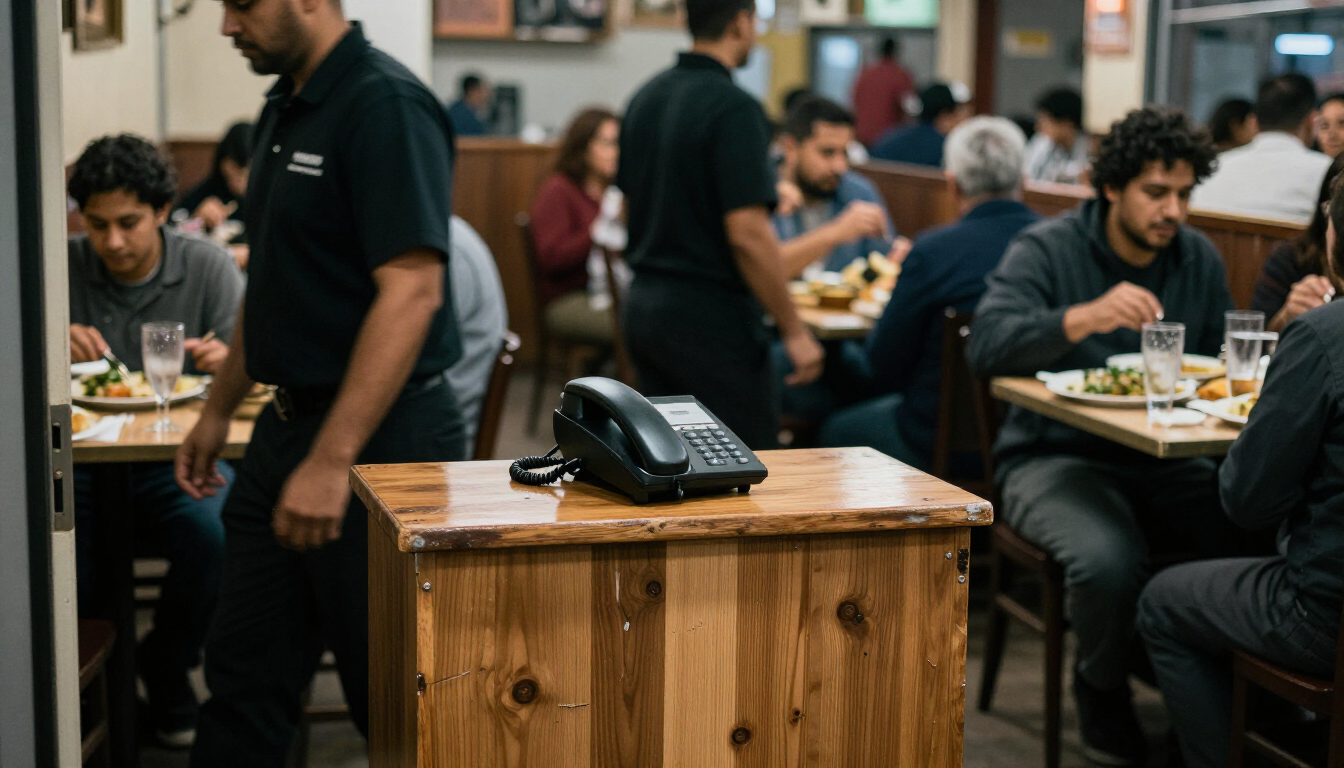
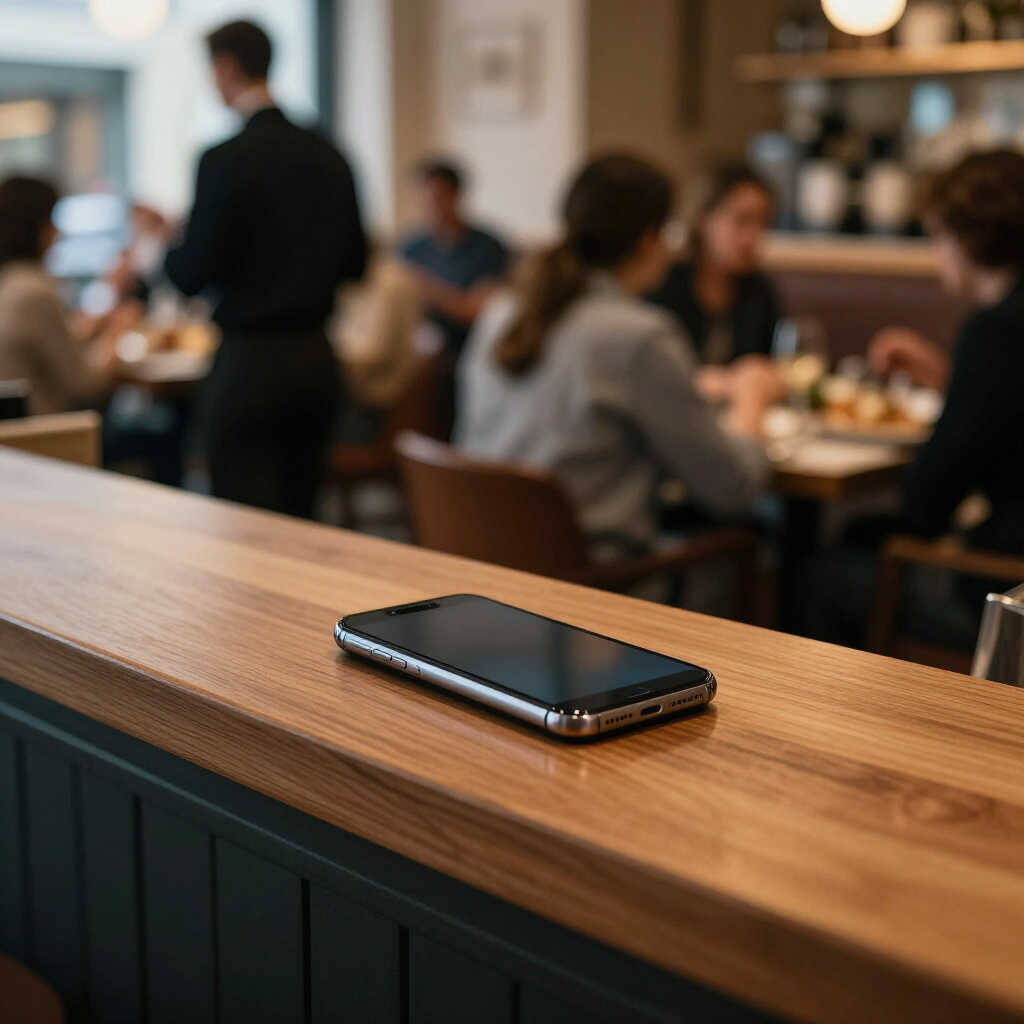
A phone call that goes unanswered does not make noise after it stops ringing. A review that sits without a response does not interrupt the line. A catering inquiry that gets missed just becomes someone else's booking. A guest who decides not to come back usually does not say why.
The pain is real. It just does not announce itself.
And guests are paying much closer attention than most restaurants realize.
BrightLocal's 2026 Local Consumer Review Survey found that 97 percent of consumers read reviews for local businesses before choosing where to go, and the average consumer checks six different review sites during that process. The guest experience is being shaped before anyone walks through the door.
The Team Is Already Running at Full Speed
Most restaurants are not under-serving guests on the customer side because they do not care. They are doing it because everyone is already at capacity.
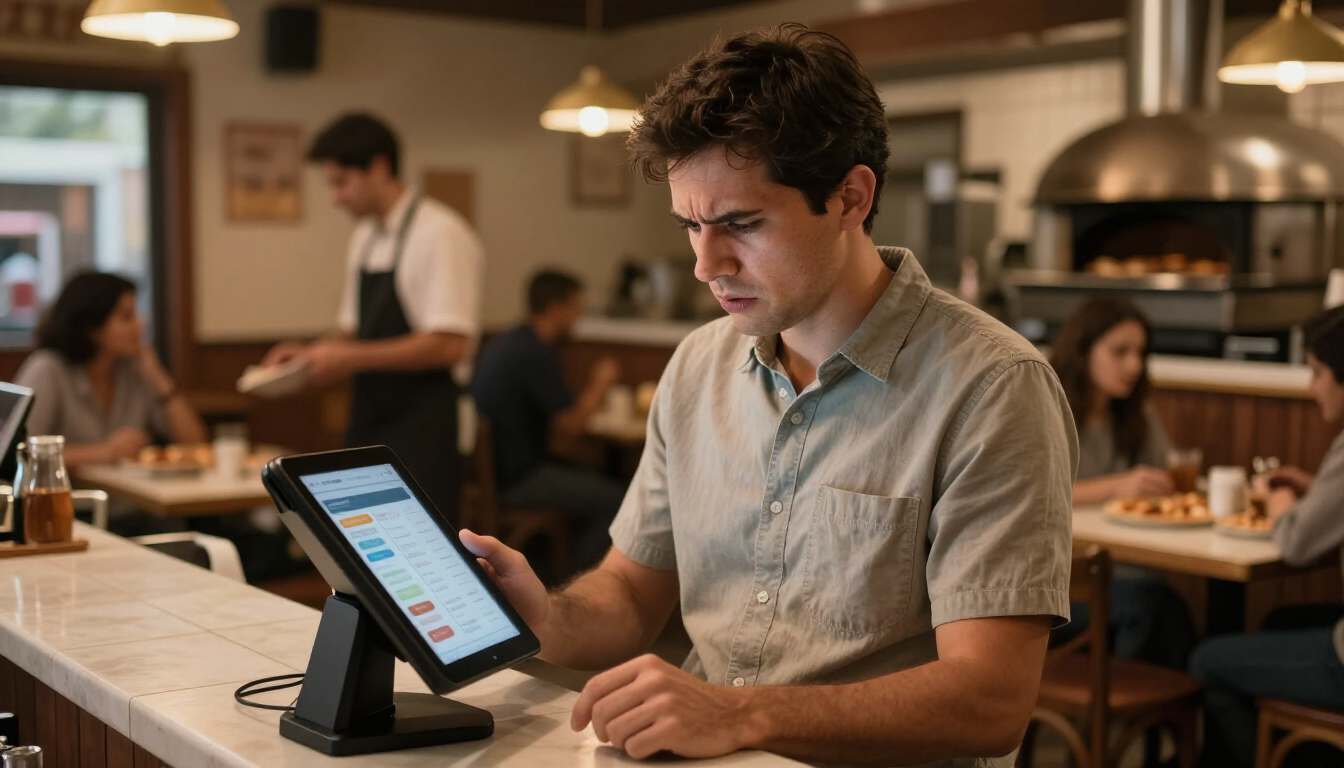
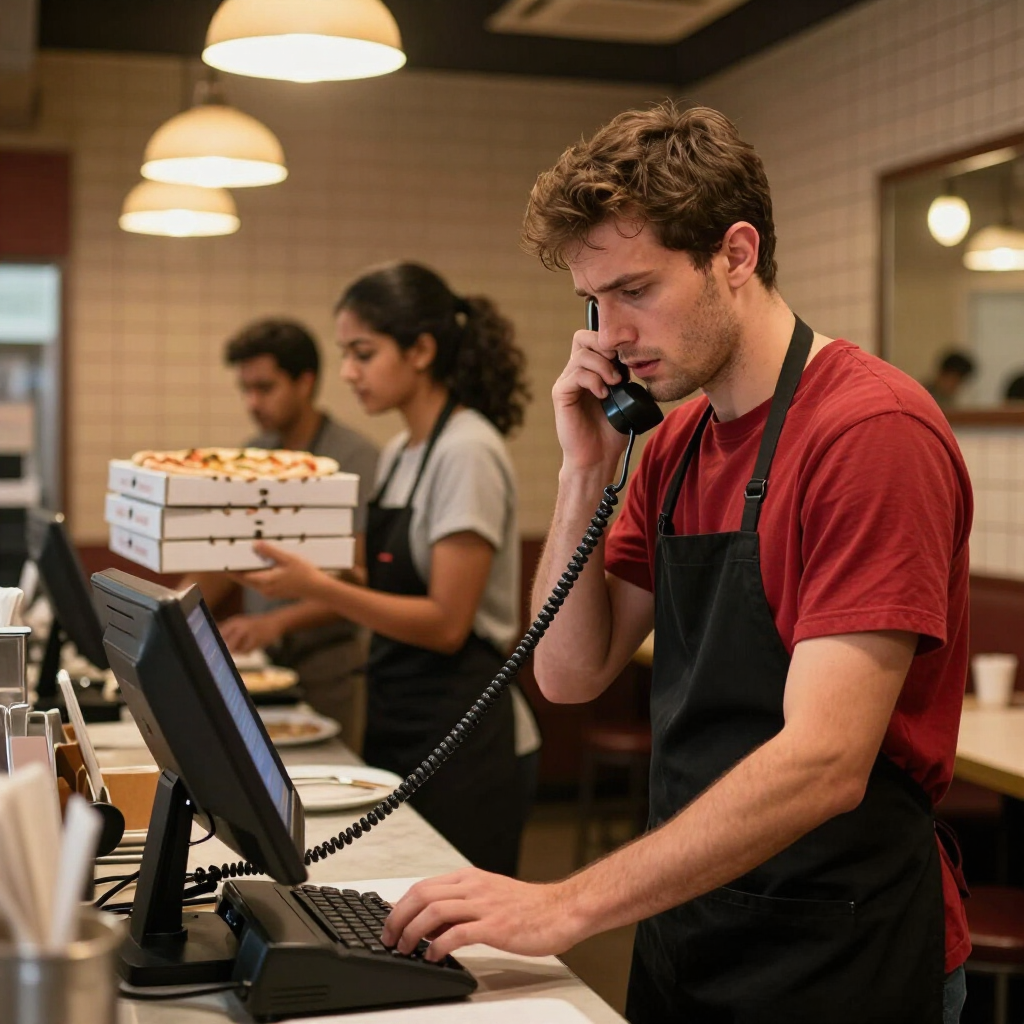
The owner is dealing with vendors, payroll, scheduling, repairs, and decisions that never stop arriving. The manager is covering the floor and handling whatever just went sideways. The host is seating guests and watching the wait. The bartender is making drinks, running food, and trying to hear the phone over the room.
So the guest side gets whatever bandwidth is left.
That usually looks like a call ringing out during the Saturday rush. A voicemail no one is certain got returned. A review someone planned to respond to later. An event inquiry buried in an inbox. A loyal guest who stopped coming in, and the restaurant did not notice until well after the fact.
None of this is carelessness. It is the natural result of a team that is already doing everything it can handle.
It is what a restaurant looks like when the guest side does not have mise en place.
Calls, Reviews, Follow-Up, and Retention Are Part of Hospitality
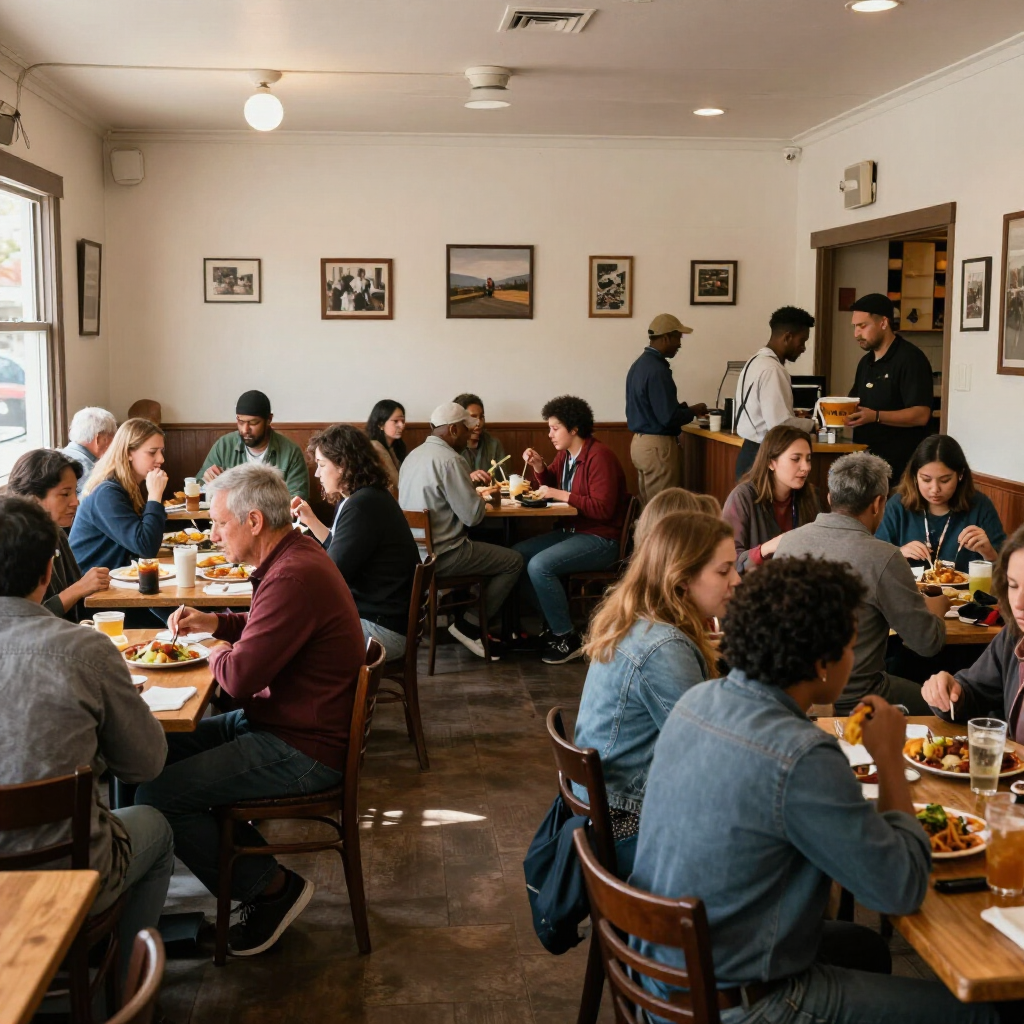
When people think about restaurant hospitality, they usually picture what happens at the table. A warm greeting. A good server. A smooth meal. A guest who leaves happy.
But hospitality also happens in smaller moments that are easier to miss.
It happens when someone calls to ask about a large party and no one picks up. When a parent asks about allergens and gets no response. When a frustrated guest leaves a review and no one acknowledges it. When a regular stops coming in and the restaurant never knows why.
These are not side tasks. They are guest-facing moments.
And they are becoming more consequential. The
National Restaurant Association's 2025 off-premises report identified speedy service, good customer service, and loyalty programs as table stakes for repeat business. Guests are not only comparing the food anymore. They are comparing how easy a restaurant is to reach, how heard they feel when something goes wrong, and how consistent the experience is beyond the table.
What Customer-Side Mise En Place Actually Looks Like
Customer-side mise en place means the guest-facing side of the business is prepared before the pressure hits.
It means calls have a path before the rush starts, not after they pile up. It means reviews are watched and responded to with care and consistency, not scrambled over when someone happens to notice. It means guest concerns have somewhere to land after the shift ends. It means follow-up does not depend on one exhausted person remembering everything at the end of a long night. It means retention is treated like part of hospitality, not an afterthought saved for someday.
The kitchen has a station. The guest side needs one too.
How Miseify Thinks About This
Miseify was built around a simple belief: independent restaurants deserve more support on the customer side of their business.
Not because restaurant teams are doing anything wrong. Because they are doing too much.
A chef should not have to prep food, answer the phone, monitor reviews, and track guest follow-up in the same shift. A manager should not have to carry every guest concern in their head. An owner should not have to wonder how many opportunities slipped away while the team was busy with the guests already in the room.
Miseify handles the customer-facing work so the team can stay focused on service. Calls, reviews, follow-up, and guest retention. Done for you.
Because mise en place was never really about making the station look nice. It was about making the work possible.
The guest side of the business deserves that same kind of readiness.





 Ask Claude About Miseify