What customer-side mise en place actually means
If you read the first piece on this blog, you already know the core idea: mise en place belongs on the guest-facing side of the operation, not just in the kitchen. Not as a metaphor. As a method. The same discipline that keeps your kitchen from falling apart during a Saturday service applied to the parts of the business that face your guests.
This post breaks that idea into four specific areas. Not because the four need to be four separate projects, but because most restaurants struggling with the guest side are struggling with all four at once, and it helps to name them clearly before trying to address any of them.
The four pieces are: the phone, reviews, follow-up, and retention. They look different from each other on the surface. Underneath, they are one system.
Piece one: the phone, and what is actually riding on a single call
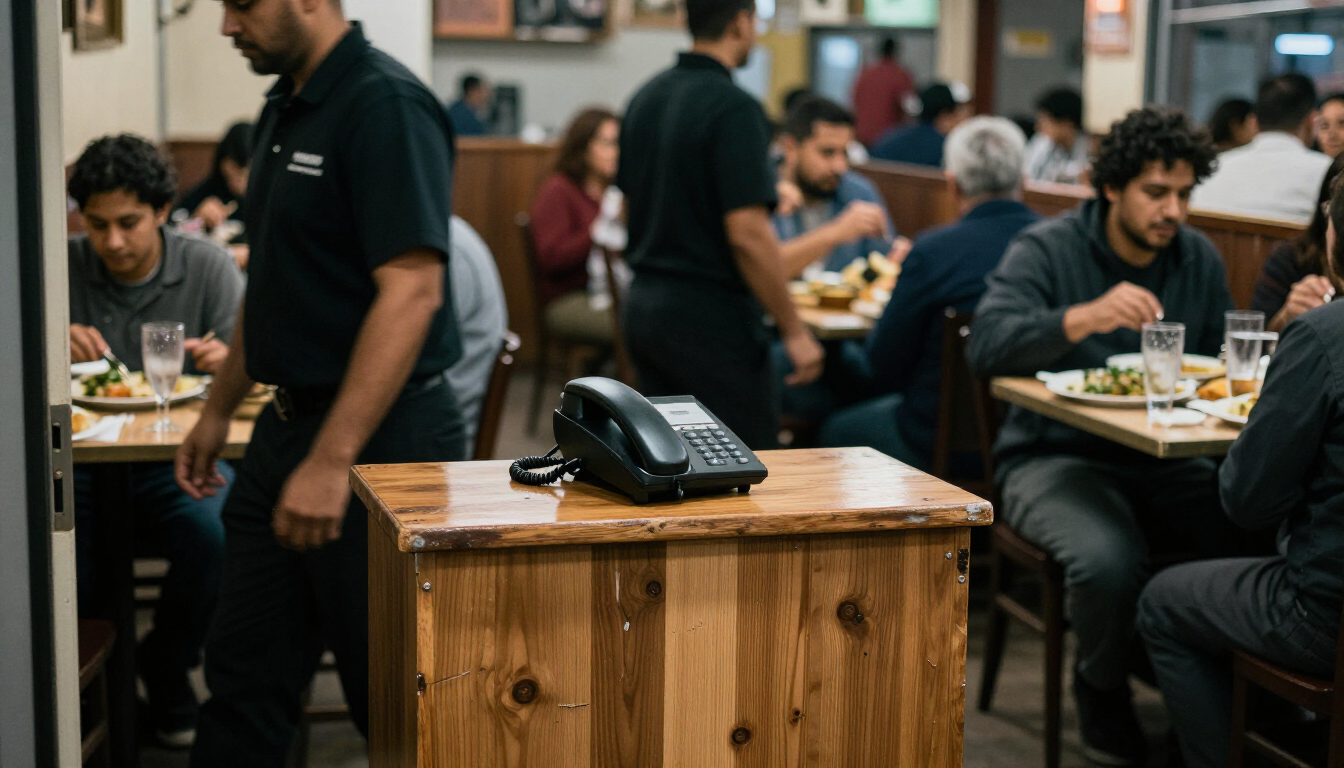
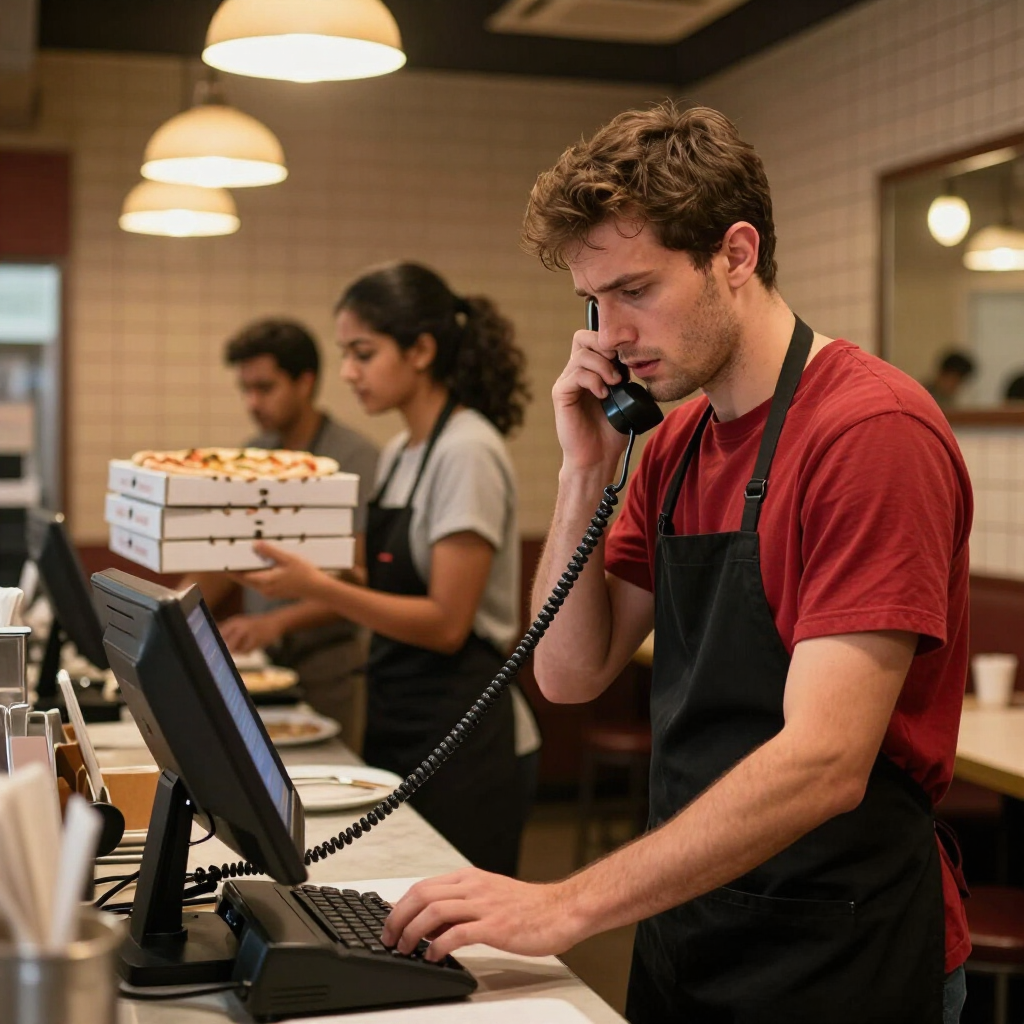
Think about who calls a restaurant. It is not usually someone looking up your hours. That is what Google is for. The people who call are the ones with a reason: a reservation request for a group, a question about a private event, a regular checking in about a standing Wednesday table, someone who saw a review or got a recommendation and is ready to commit.
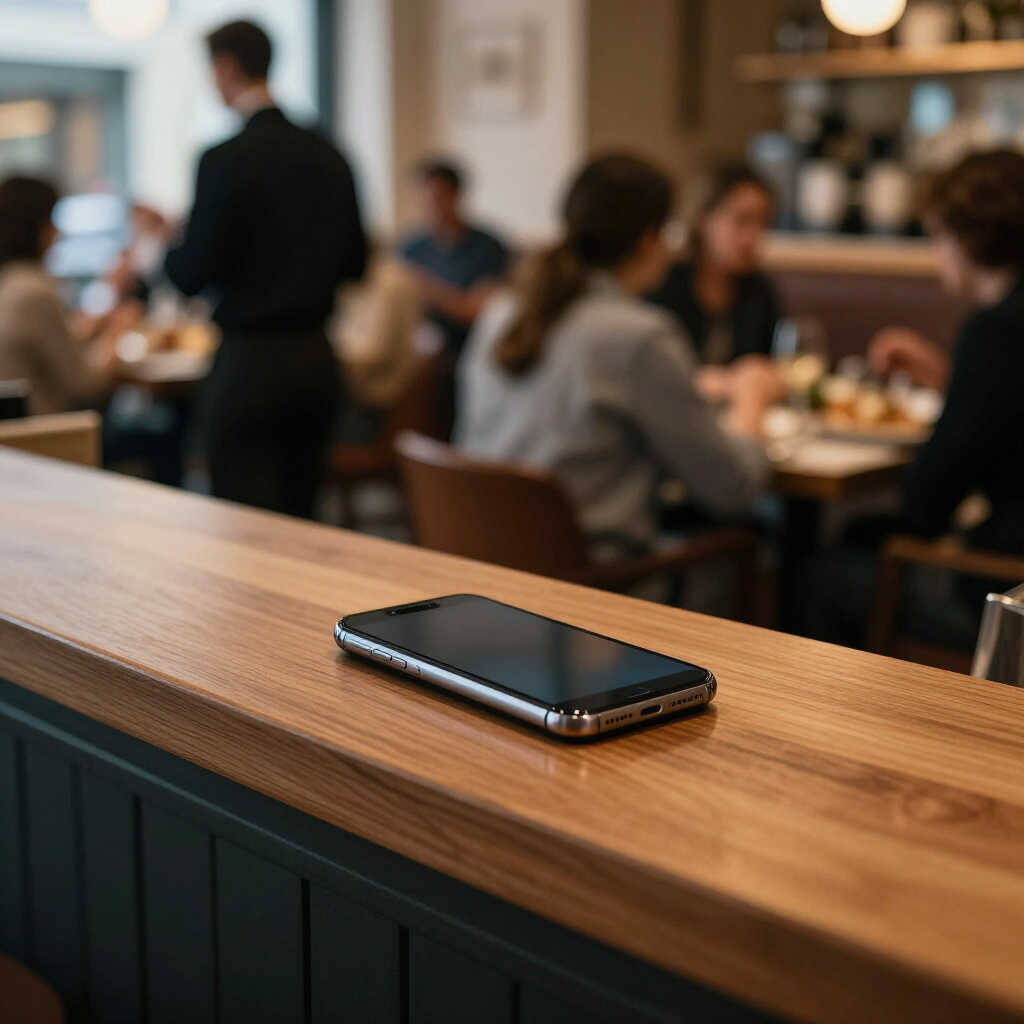
Those are not passive inquiries. They are decisions already leaning in your direction. A phone that rings and rings, or a voicemail that picks up and never gets returned, does not just fail to capture a booking. It cancels one.
The phone still matters more than restaurant operators often give it credit for, partly because everything else has gotten so much louder. The inbox, the DMs, the review platforms. The phone can feel like one more channel on top of too many. But it is the one channel where a guest is most likely to be ready to decide, which makes it the one you can least afford to miss.
Piece two: reviews, and why a response is part of the experience
Here is a thing worth sitting with: when a guest leaves a review, the conversation is not over. It has moved somewhere public.
How you respond, or whether you respond at all, is visible to every person who reads that review afterward. That includes people who have never been to your restaurant and are trying to decide whether to go. A thoughtful response to a complaint often tells those readers more about your operation than the complaint itself did.
Most independent restaurants treat review response as something to catch up on. Once a month, maybe. When someone remembers to log in. This is the same instinct that treats follow-up as something to get to when things slow down. It is not a criticism. It is a pattern worth naming, because it tends to cost more than it looks like it does.
Piece three: follow-up, and why the gap between "we should" and "we did" stays wide
Most independent restaurant owners know they should follow up with guests. The intention is there. The execution is not, and not because anyone on the team is doing a bad job.
Follow-up falls apart in independent restaurants the same way any habit falls apart under sustained pressure: the day got busy, the shift ran long, there was a situation with a supplier, someone called out. The intention survives. The follow-up does not.
The result is a quiet gap between what a restaurant means to do and what it actually gets done. That gap is where retention erodes, slowly enough that no single moment looks like a problem.
Piece four: retention, and why it is really a result of the first three
Retention gets treated, in most restaurant conversations, like a separate initiative. A loyalty program. A promotional push. A postcard campaign. These are not wrong, exactly. They just tend to treat retention as something you build on top of your operation instead of something that comes out of it.
A guest who came in, had a good time, got a follow-up that made them feel remembered, and saw their review acknowledged before they left the platform, that guest did not need a loyalty program to come back. The groundwork was already laid. Retention was happening because the pieces around it were in place.
When the phone gets answered and the review gets a real response and the follow-up actually gets sent, retention tends to improve without anyone deciding to work on retention specifically. That is not a coincidence. It is the system working.
How the four pieces work as one system
Each of the four areas reinforces the others in a way that is worth naming directly.
Answered calls become guests in the dining room. Guests in the dining room leave reviews. Reviews that get genuine responses build the kind of reputation that brings in the next caller. Follow-up that happens consistently, rather than sporadically, turns a first visit into a second and a second into a pattern. A guest with a pattern is not a loyalty program metric. They are a regular, and regulars are the most durable part of any independent restaurant's business.
When any one of these four pieces breaks down, the others feel it eventually. A restaurant that answers every call but never follows up is working harder than it needs to at the acquisition end while losing ground at the retention end. A restaurant that does great follow-up but never gets to reviews is building a warm relationship with guests who are quietly watching whether anyone else's experience matters to you.
The four pieces are not four separate projects. They are one system, and they run on the same kind of prep work your kitchen line does.
Where to start if more than one of these is already behind
The honest answer: start with whichever one is costing you actual money right now. For most restaurants, that is the phone. Missed calls are the most immediate, most measurable version of this problem, and fixing phone coverage tends to have the fastest visible impact.
But this is not a ranking. If reviews are keeping you up at night, start there. If follow-up is the piece you have tried to build and watched fall apart twice already, put your attention there first.
What matters is that you treat these four areas as connected, not as a checklist where you complete one and move on. Once you see them as one system, the question shifts from which one to fix to how to get all four covered.
Not sure which piece needs the most attention right now? Miseify can help with all four, in whatever order makes sense for your restaurant.






 Ask Claude About Miseify