The phone still matters more than most restaurants give it credit for
Most of the conversation about restaurant marketing is about getting people to find you. Search visibility, social posts, the right photos on the right platforms. All of it aimed at the moment someone decides to look.
What happens after they decide is a different conversation, and it is the one most independent restaurants are less prepared for than they realize.
A person who calls your restaurant has already found you. They have already decided to reach out. That is not the beginning of the journey. It is close to the end of it. What comes next is either a booking, a question that leads to a booking, or a conversation that makes someone who might become a regular feel like they made the right call reaching out.
When no one answers, all three of those possibilities disappear at once.
What is actually on the other end of that ring
Think about the calls an independent restaurant typically receives during service. A reservation for a table of eight. A question about whether you can accommodate a private event. A regular calling to check on their usual table. A caterer looking to confirm an inquiry. Someone who just got a recommendation from a friend and wants to hear a person answer before they decide.
These are not passive inquiries. They are conversations with money already attached to them. The caller is not browsing. They have a reason to call, and in most cases a preference for your restaurant already formed. They are giving you a chance to confirm it.
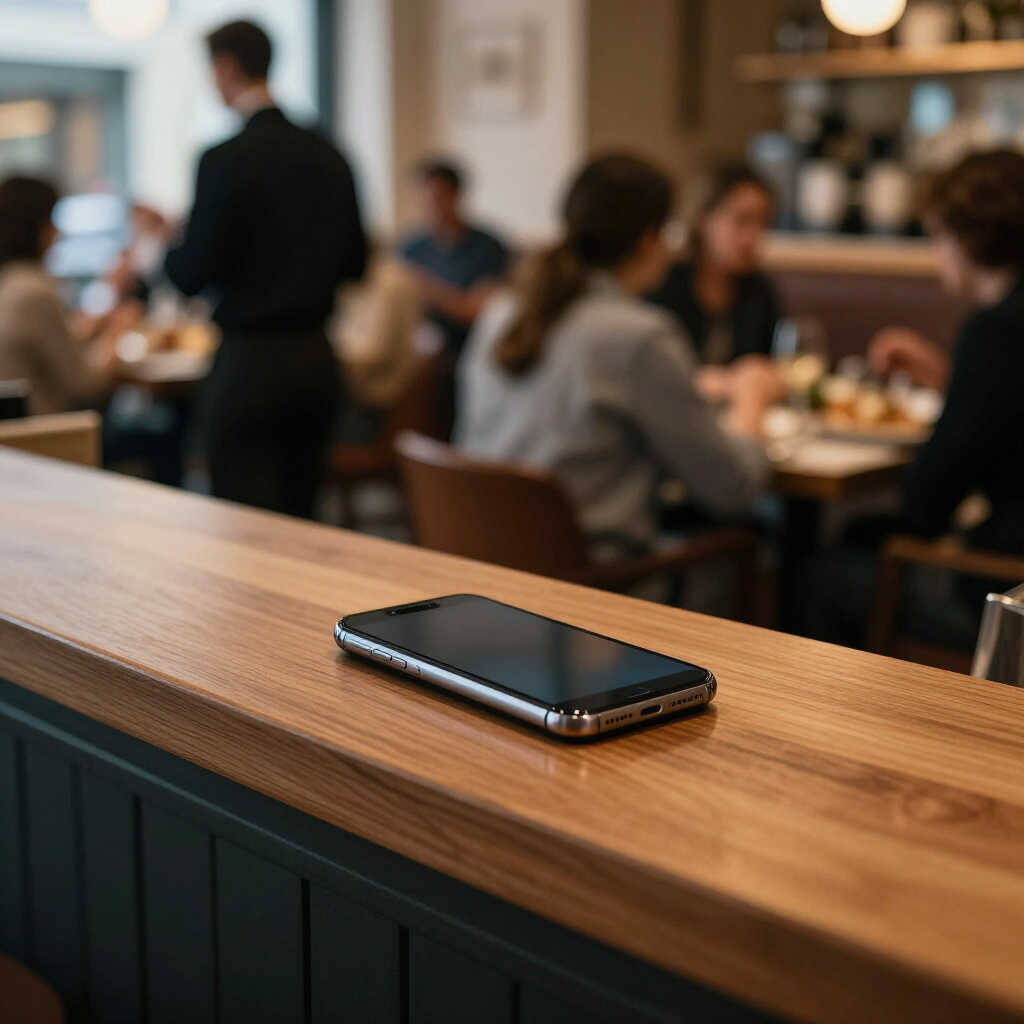
When that call rings out, or hits a voicemail box that sounds like it has not been checked since last Tuesday, the chance is gone. Not necessarily forever. But in the time it takes for them to try the next place on their list, you have already lost ground you spent real effort to gain.
Why calls get missed, and why it is not a sign of a badly run restaurant
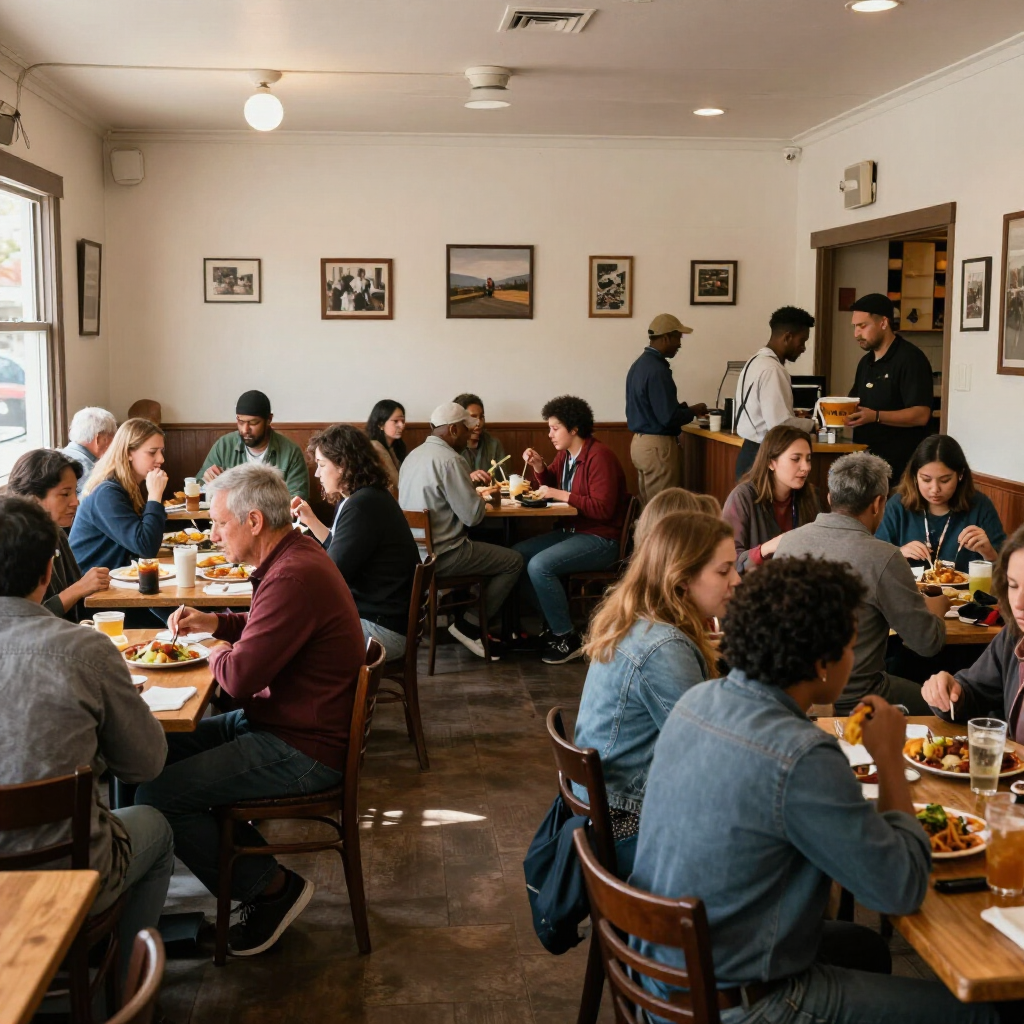
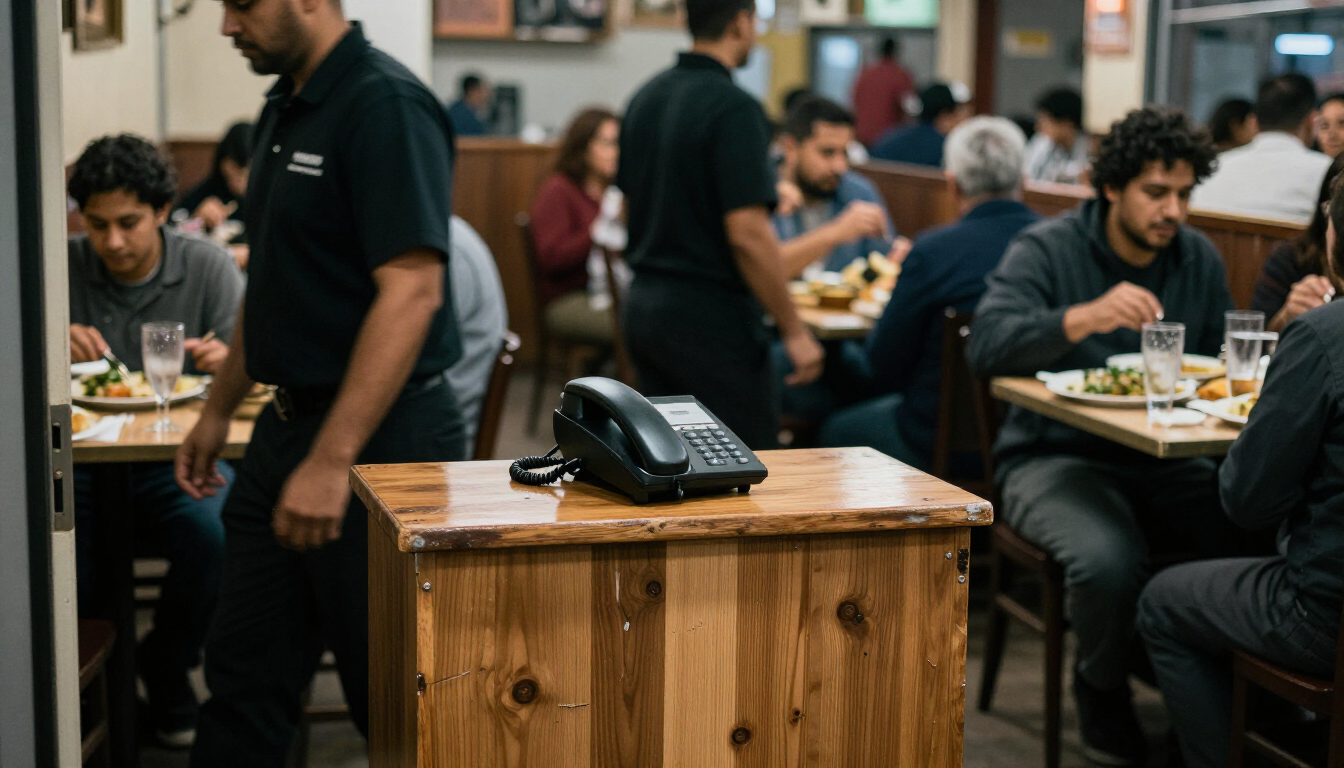
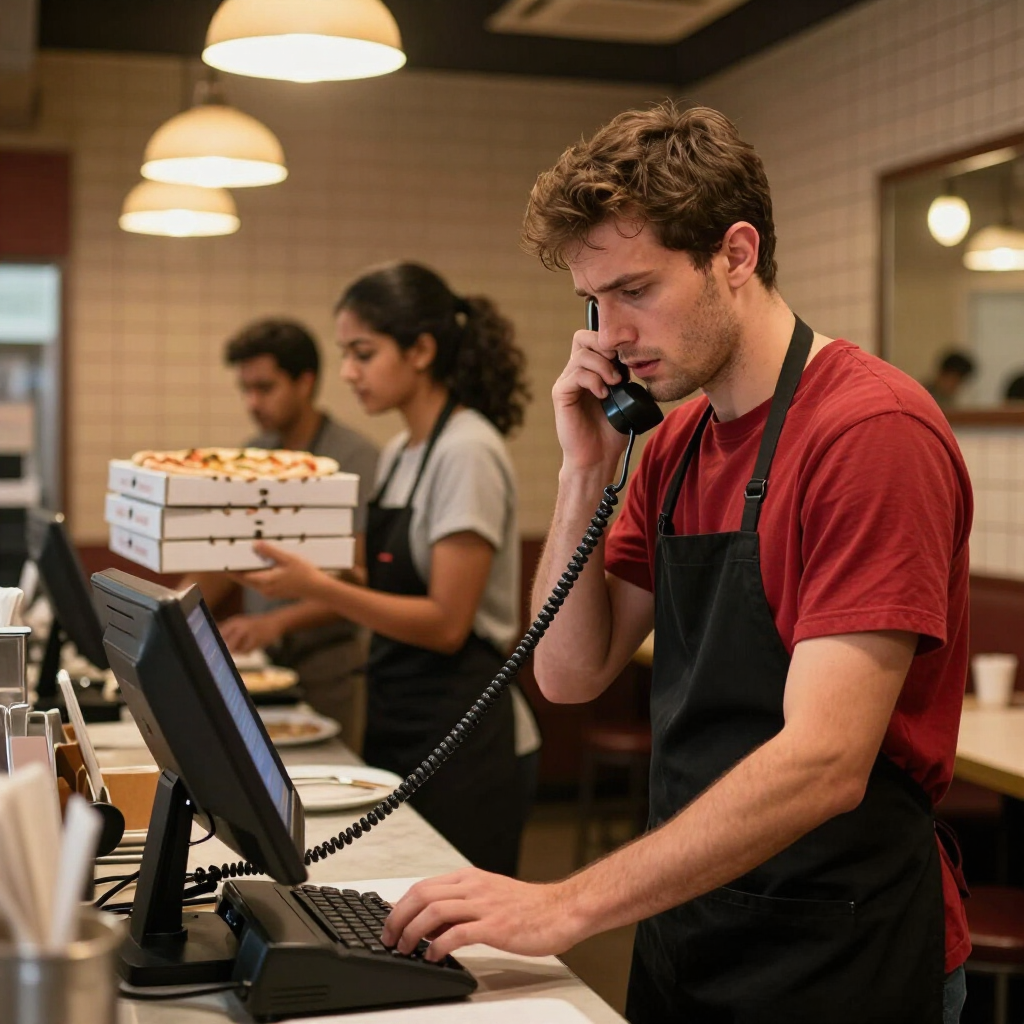
This is worth saying plainly: the restaurants that miss the most calls are often the ones doing the most volume. A Friday evening at six-thirty is not a moment when anyone on the floor has a hand free to answer a phone. A Sunday brunch rush is not a time when the person who normally handles calls is sitting at the host stand waiting for one.
Missed calls are not a discipline problem. They are a coverage problem. The team is doing what the dining room requires of them, and the phone is falling to the bottom of the stack because the stack is already taller than anyone can manage at once.
Understanding this does not make the missed call any less costly. It just changes what the real problem is. The real problem is not that your team is not picking up. It is that there is no plan for what happens when they cannot.
The real math: what one missed call costs
Put a specific caller in mind. A group of six looking for a Friday reservation, a month out from a birthday dinner. They call once and get voicemail. Some of them will call again. Many will not. If they book at a comparable restaurant instead, the revenue from that booking is not coming back.
Now multiply that by the number of times a week your phone goes unanswered during service. Even a conservative count, two missed calls during Friday dinner, two on Saturday, a handful across the week's other busy windows, adds up quickly. Across a month, across a season, across a year, the number stops feeling like a rounding error and starts looking like a real line item.
The difficult part is that this number never shows up anywhere. There is no report called revenue lost to missed calls. The loss is invisible, which is part of why it tends to stay invisible until someone goes looking for it.
Why voicemail quietly makes the problem worse
The standard response to the missed-call problem is voicemail. It is better than nothing. But it is not the same as an answer, and it tends to create a kind of false comfort around a problem that is still happening.
A guest who leaves a voicemail has already had a worse experience than a guest who reached a person. They have had to repeat themselves into a recording and trust that someone will call them back promptly, at a time that works for them, without losing the thread of what they asked. Most of the time, that callback happens during prep, when whoever is returning calls is distracted, working from a voice message that may have been hard to hear, and reaching out to someone who has already partially moved on.
Voicemail is also, by now, a reliable way to signal to a caller that their inquiry is not the priority. Many callers, particularly younger ones, will not leave a voicemail at all. They will simply try somewhere else.
What genuine phone coverage actually requires
Being covered on the phone means something specific: every call that comes in gets a real answer, every time, regardless of what else is happening in the dining room.
For most independent restaurants, that is not what covered actually means in practice. It means someone answers when someone has a hand free. It means the phone gets picked up when the host is not seating a party. It means calls get returned when prep allows.
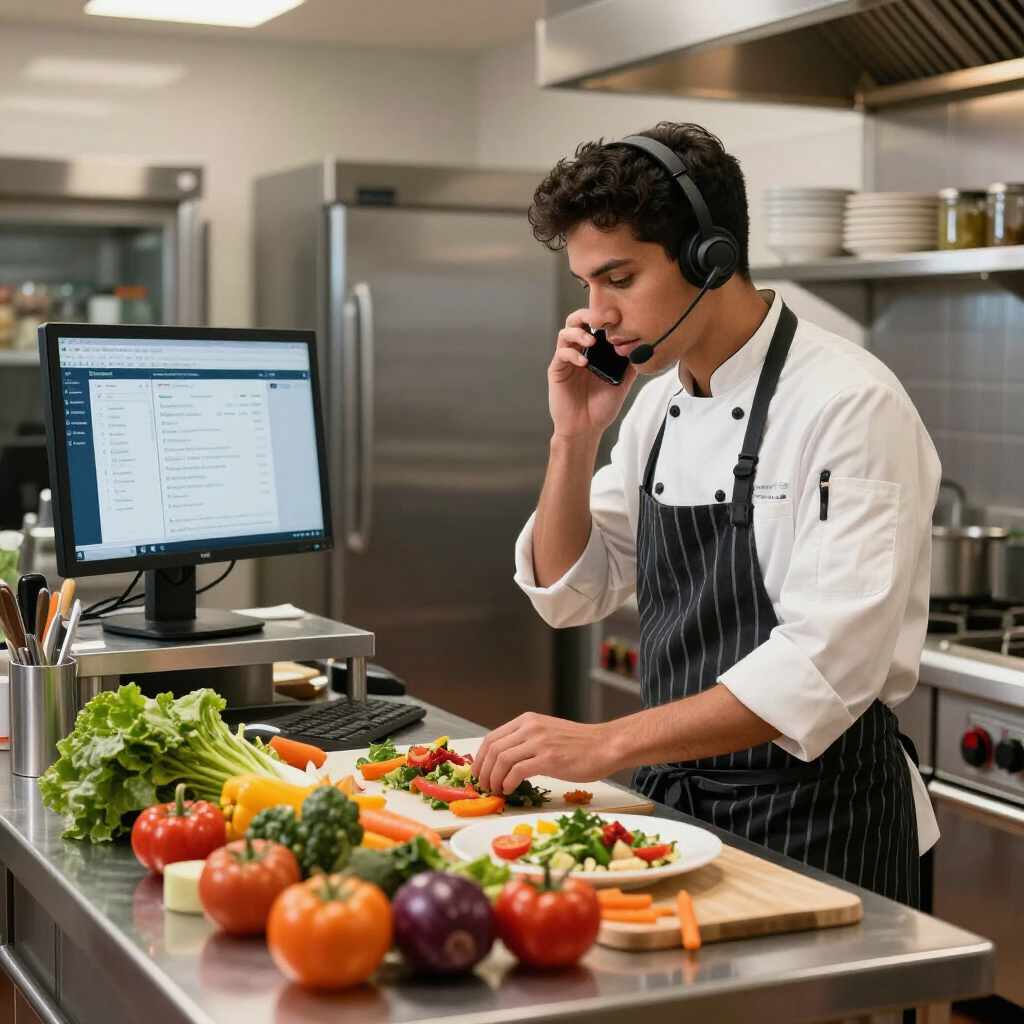
Those are not coverage. They are intentions with some good luck built in. Genuine coverage during service requires something that is not currently on the team's plate. Not necessarily a dedicated person, but a plan that does not depend on the dining room being calm enough to accommodate another task.
A more honest way to think about being covered
The honest version of this question is: what happens to a call that comes in at seven-fifteen on a Friday when every hand on the floor is already spoken for?
If the answer is voicemail, or we try to get to it when we can, that is a gap. Not a failure. A gap, and gaps have closes.
Curious what it looks like when every call gets answered, even at 7:45 on a Friday? That is exactly what Miseify On Call was built for.




 Ask Claude About Miseify